A diptych from plague-stricken colonial India in the late 19th century. On the left, village women prostrate in a communal healing ritual, reflecting indigenous understandings
of illness and health. On the right, a plague patient is forcibly removed from a home by a colonial paramilitary search party, highlighting the coercive
machinery of imperial public health. Together, the images contrast local epistemologies with tropical medicine, the colonial precursor to modern Global Health. (Photo source: The Bombay Plague Epidemic of 1896–1897 Archive, Attributed to Captain Claude Moss, Wellcome Collection)

Foreword by Aamir Jafarey*
This issue of the Bioethics Links marks an important moment in CBEC’s journey following Dr. Farhat Moazam’s stepping down as Chair after decades of pioneering leadership. Another turning point is its move to its new home at the SIUT Trust Hospital on Shahrah-e-Faisal. The following verse by Ada Jafarey faithfully reflects CBEC faculty’s resolve in the face of change:
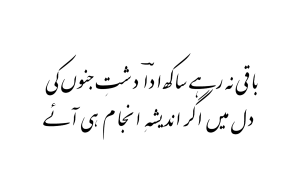
The credibility of those who tread the desert of passion will be lost, Ada;
If the fear of the consequence even enters the heart.
This edition critically examines the ethical foundations of global health research and governance structures. In resource-constrained, unequal contexts, such as in Pakistan and other similar countries, the contributors question whether procedural ethical reviews suffice when external research agendas target the vulnerabilities of communities without producing tangible benefits. They advocate for locally grounded priorities that align research with community realities and public good.
The issue also highlights CBEC’s ongoing efforts to strengthen regional bioethics capacity through workshops and academic collaborations, reinforcing bioethics as an essential pillar of professional practice and research governance across Pakistan.
*Chairperson and Professor, CBEC-SIUT, Karachi
What is Global Health Research, Really? A view from the Global South
Muneera Rasheed
Writing this article feels like condensing my entire journey as a global health researcher into a thousand words. I start by asking a question whose answer I only discovered a few years ago:
Beyond Procedural Ethics in Research Governance
Sualeha Shekhani
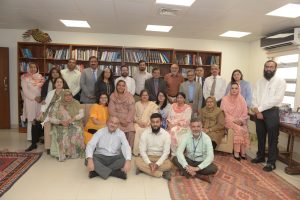
Over the past decade, I have been involved in bioethics teaching, particularly through research ethics workshops conducted across Pakistan. During this time,
Reflections from Ethics Reviewers of Research in Pakistan
To examine the current state of health research and research ethics in Pakistan, we interviewed four experts with more than two decades of experience in ethical review.
Ethics in Social Sciences Research
Kaneez Fatima
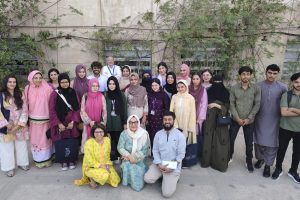
While observing undergraduate dissertations, I noticed a concerning pattern. Research ethics is often treated as a mere footnote in the curriculum of research methodology, merely a slide or two during the whole semester.
Leadership Transition at CBEC
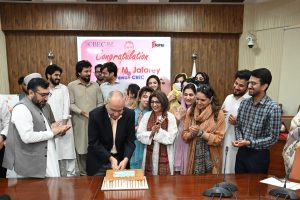
After an illustrious academic career spanning 5 decades, 4 of them as Chair, initially at the Department of Surgery at Aga Khan University (AKU), Karachi, then at CBEC, Dr. Farhat Moazam has stepped down to pursue working on her long-deferred book.
Strengthening Ethics Capacity at Synapse
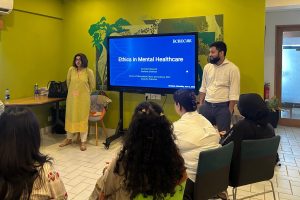
CBEC-SIUT has initiated a series of capacity-enhancement activities with Synapse, Pakistan’s Neuroscience Institute. The institute, established in 2021, provides multidisciplinary services in the areas of mental health and neuroscience,
From our Archives

Female Friendships and Pakistan Cinema
Kamran Asdar Ali
“Scholarly literature on gender in Pakistan has traditionally ignored the everyday experience of women, especially the domestic experiences of women within the household.”
CBEC Events
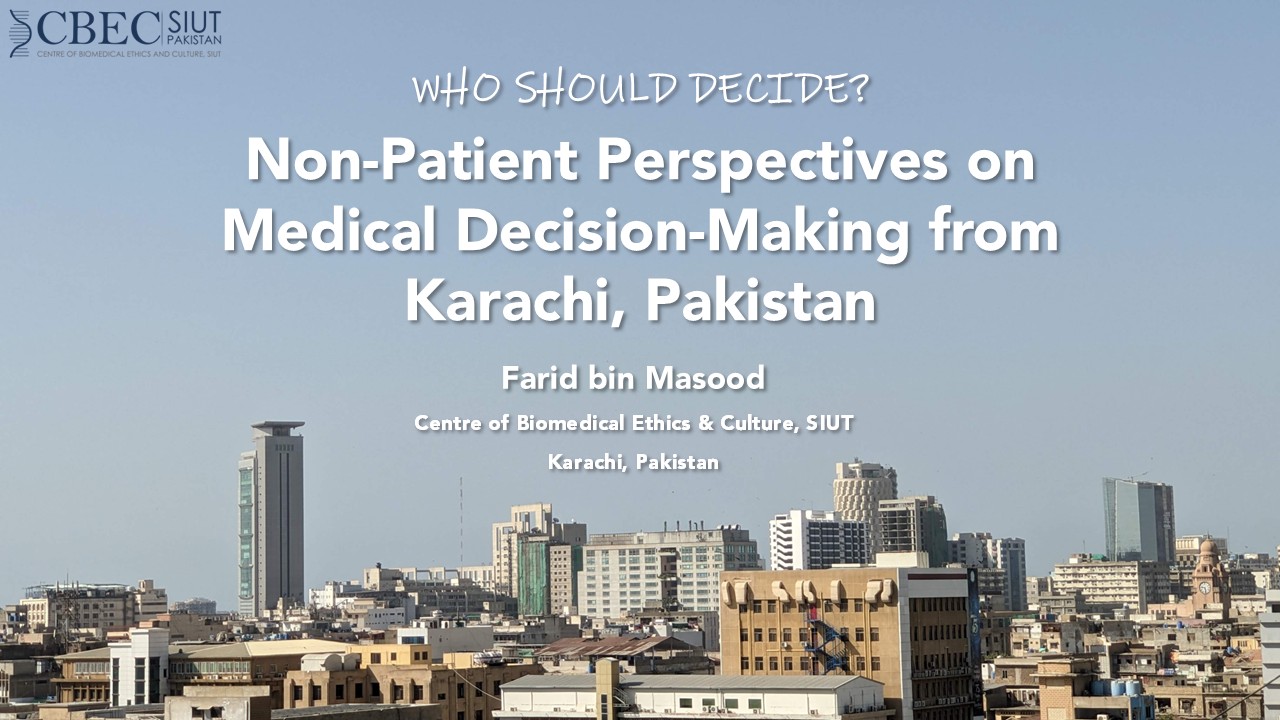
Conference Participation, June 12, 2026
Mr. Farid bin Masood virtually presented findings from his MBE thesis on medical decision-making at the International Conference on Clinical Ethics and Consultation (ICCEC), Ohio, USA.
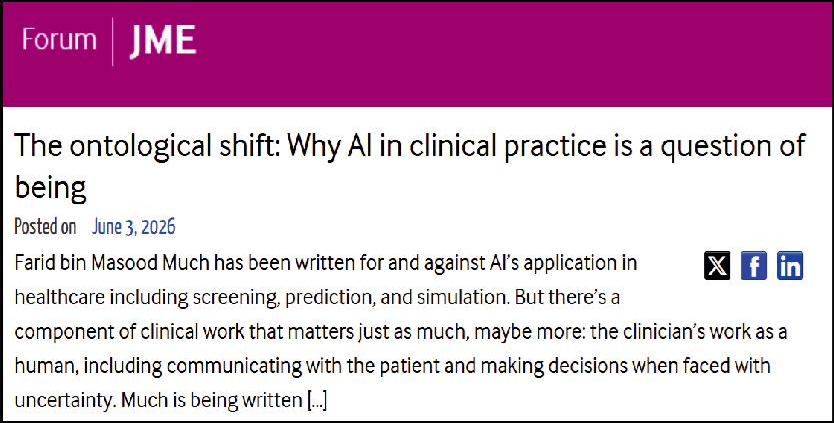
Publication Alert, June 3, 2026
Mr. Farid bin Masood published an important piece in the Journal of Medical Ethics Forum. The article draws on Heidegger to examine the limitations of artificial intelligence in clinical practice.
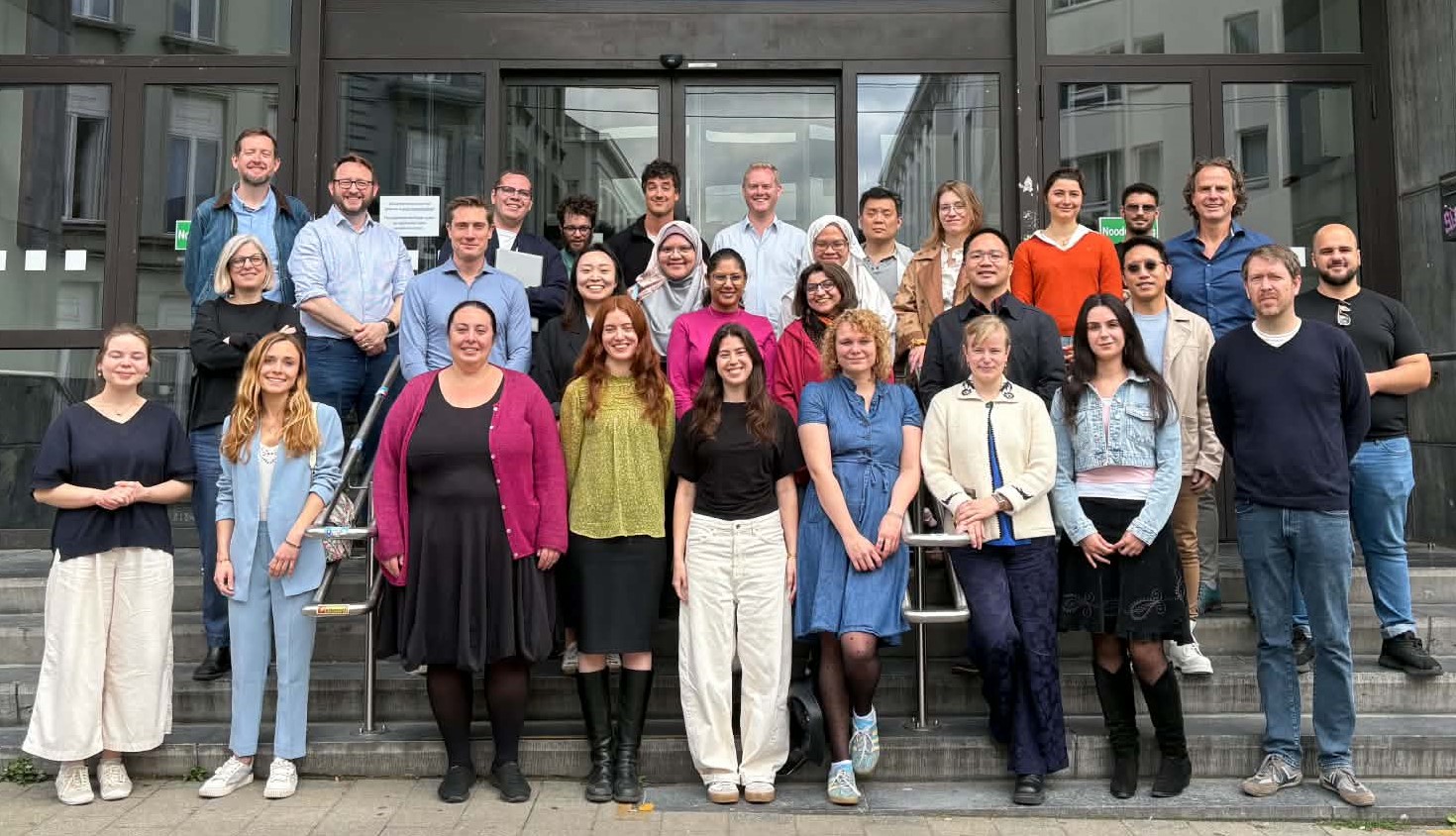
Empirical Bioethics Summer School, Ghent University
May 18–21, 2026
Ms. Sualeha Shekhani attended the event, an important faculty development initiative that offered an alternative approach to bioethics research.
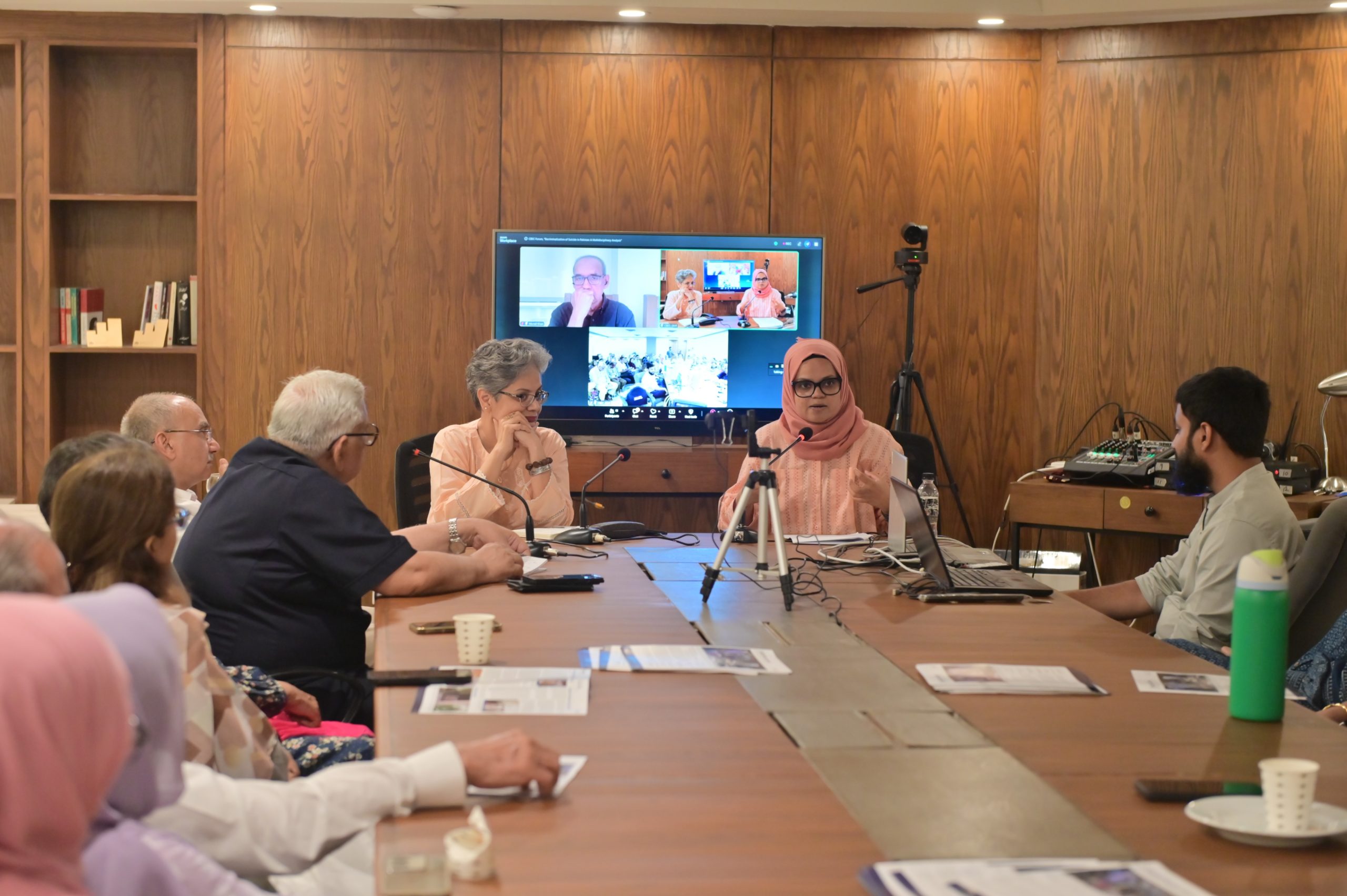
CBEC Forum: Recriminalization of Attempted Suicide in Pakistan: A Multidisciplinary Analysis
May 18, 2026
After years of advocacy, Pakistan decriminalized attempted suicide in 2022. However, on May 18, 2026, the Federal Shariat Court declared the decriminalization repugnant to the injunctions of Islam, effectively re-criminalizing attempted suicide. To explore the implications of this ruling, CBEC organized a Forum on June 6, 2026, featuring Dr. Murad Moosa Khan (Psychiatrist), Ms. Farah Khan (Advocate, High Court), and Dr. Summaiya Syed-Tariq (Chief Police Surgeon, Karachi). The event attracted an exceptionally large in-person and online audience, making it one of the highest-attended CBEC Forum held. Discussions focused on the ruling’s impact on survivors, and access to life saving-care. The Forum concluded with a call for public engagement and continued advocacy including an appeal before the Supreme Court of Pakistan against the decision.
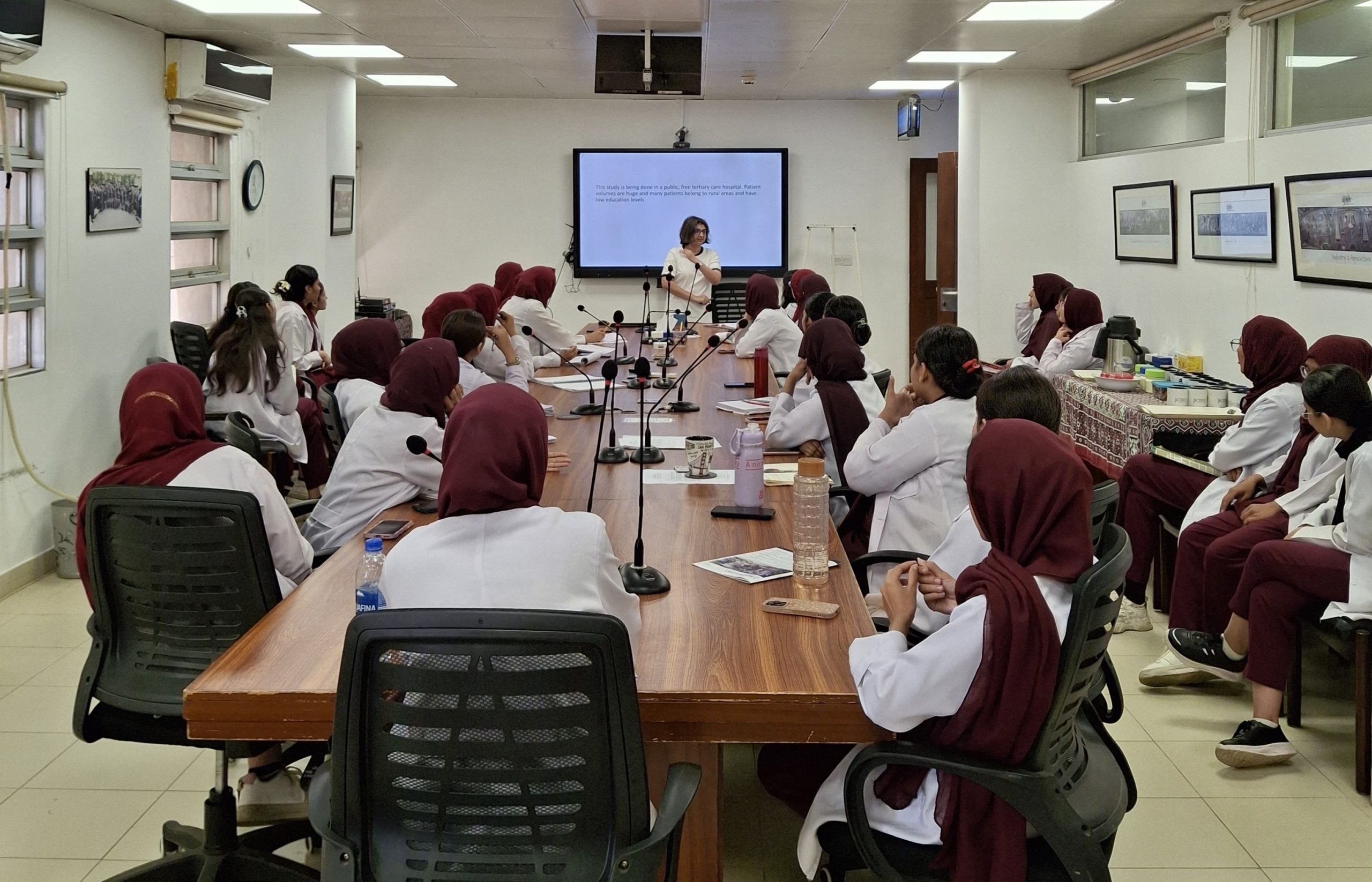
Sessions: Research Ethics for Nurses Sindh Institute of Medical Sciences (SIMS)
April 29 and May 6, 2026
Ms. Ranjeeta Rajesh Kumar, Principal of the School of Nurs-ing, Sindh Institute of Medical Sciences (SIMS), invited CBEC to conduct sessions on research ethics for 7th semes-ter nursing students enrolled in the Research Methods course. Although bioethics is included in the Pakistan Nurs-ing Council (PNC) undergraduate curriculum, it has not yet been fully integrated into the SIMS nursing program. CBEC faculty Ms. Sualeha Shekhani introduced key concepts in research ethics, including informed consent, privacy, and confidentiality in nursing research. Building on this, further sessions are planned focused on ethics in clinical practice for nursing students at SIMS.
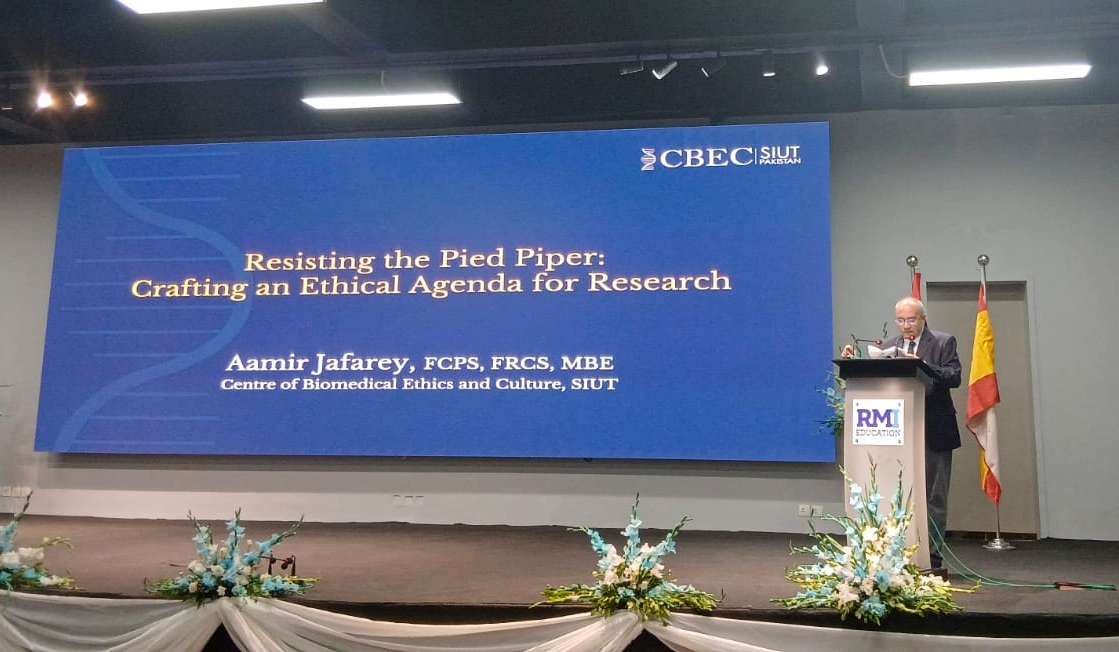
Plenary Talk: International Conference on Health Research (ICHR) Rehman Medical Institute, Peshawar
17 April, 2026
Dr. Aamir Jafarey was invited to speak at the plenary session titled “From Research to Practice: Translating Clinical and Public Health Evidence into Action” during ICHR 2026. In his talk, “Resisting the Pied Piper: Crafting an Ethical Agenda for Research,” he emphasized that ethical reflection should begin at the earliest stages of research, when ideas are first being conceptualized, as it shapes the entire research process. Using examples from Pakistan, he highlighted how health research often fails to translate into meaningful impacts on policy and practice.
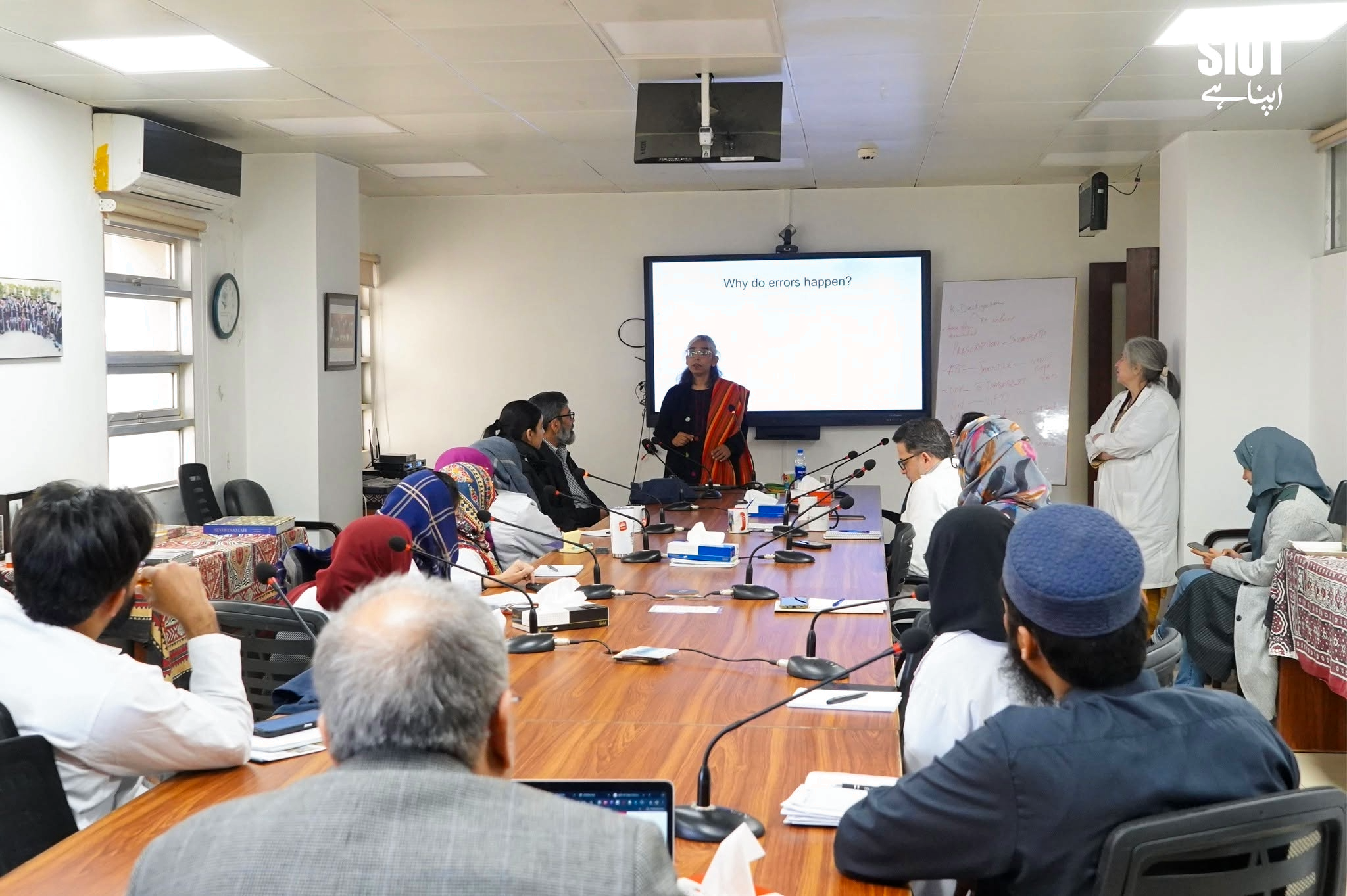
Understanding Medical Error and Negligence CPSP Pre-conference Workshop, CBEC-SIUT January 24, 2026
As part of the International Medical Education Conference organized by the College of Physicians & Surgeons Pakistan (CPSP), CBEC faculty Dr. Nida Wahid Bashir and Dr. Bushra Shirazi conducted a workshop titled “Understanding Medical Error and Negligence in Clinical Practice: Moving Beyond the Blame Game.” The workshop highlighted the importance of addressing systemic factors to reduce medical errors and improve patient safety. The workshop was attended by twenty-two participants from diverse specialties, including Critical Care, Internal Medicine, Paediatric Cardiology, Family Medicine, Vascular Surgery, and Dentistry, with wide representation from SIUT.

Depiction of Gender Roles in the 1960s Cinema of Pakistan December 18, 2025
“Depiction of Gender Roles in the 1960s Cinema of Pakistan” with Dr. Kamran Asdar Ali, Professor of Anthropology, University of Texas, Austin on December 18, 2025, during Module 4. This session was not only attended by the PGD and MBE students, but also attracted a large on-site and online audience.

Inauguration of the International Islamic
Bioethics Association (IIBA)
December 10-11, 2025, Doha, Qatar
Dr. Farhat Moazam (first, left) at the IIBA inaugural event with its founding president, Dr. Mohammed Ghaly (third, left), Professor at the Research Center for Islamic Legislation and Ethics. IIBA aims to enhance Islamic contributions to global ethical dialogue. Dr. Moazam is a member of the IIBA Advisory Board, which includes international scholars such as Dr. Mohammad Ahmad Aljarallah (Kuwait, sixth, left), and Dr. Nancy Jecker (USA, third, right) among others.

33rd International Conference: Association of
Pediatric Surgeons of Pakistan (APSP)
December 4-7, 2025, Karachi
Dr. Moazam gave a keynote address at the association’s conference. She is seen here with Dr. Muhammad Arshad, President APSP (second right) and Dr. Saleem Islam, pediatric surgeon and Chair, Department of Surgery, AKU, Karachi (far right). Her talk, “Ain’t nothing small about operating on little humans: Reflections of an erstwhile pediatric surgeon,” included empirical data from an ongoing CBEC study about male and female representation in different surgical subspecialties in Pakistan.
Obituaries
CBEC-SIUT Loses a Benefactor, Supporter and Friend
Farhat Moazam
Dr. Manzoor Ahmed, philosopher, renowned scholar and educator par excellence, died on December 22, 2025, after an illustrious career that spanned several decades.
Dr. Arfa Syeda Zehra
(1943-2025)
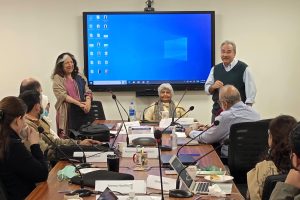
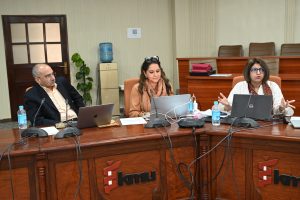
Dr. Arfa (seen, teaching at the head of the table in December 2023) was a dedicated teacher and a beloved friend of CBEC. A Professor Emeritus at Forman Christian College, Lahore, she was renowned for her mastery of Urdu literature. For over a decade, Dr. Arfa taught humanities at the Centre, sharing fascinating stories with her characteristic wit.
Ms. Zubaida Mustafa
(1941-2025)
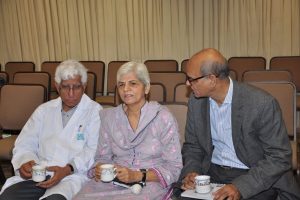
One of the first female journalists in Pakistan, she was a long-term supporter of the Centre and attended most of its events. She wrote about the importance of including ethics in the national curriculum. The picture shows her (center) attending one of CBEC’s events, with Dr. Adib Rizvi (left) and Dr. Anwar Naqvi (right).
Dr. Tashmeem Razzaki
(1940-2025)
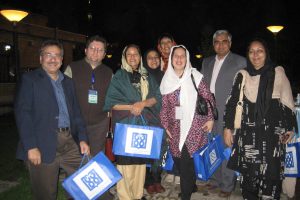
Dr. Tashmeem Razzaki, a microbiologist at SIUT, was an alumnus from CBEC’s first PGD Class of 2006. She played a pioneering role in establishing the Department of Biotechnology at the University of Karachi. She is seen here (third from left) with CBEC faculty and alumni at the Asian Bioethics Conference in Tehran, Iran in 2009.
CBEC Shots
Impressions of PGD Alumni
In this series of short videos, recent graduates of the CBEC-SIUT Postgraduate Diploma (PGD) program in Bioethics share their personal journeys, insights, and reflections providing a glimpse into their experiences, challenges, and growth during the one-year program.
Atif Mahmood
Asif Jan Muhammad
Abubaker Ali Saad
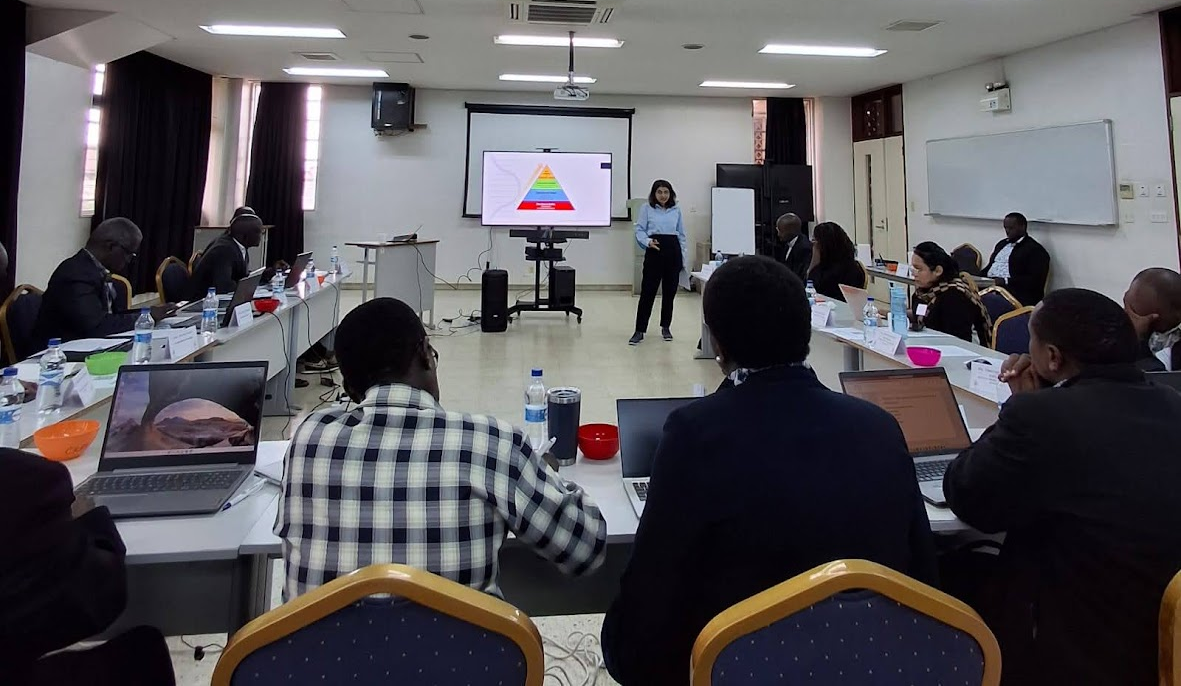
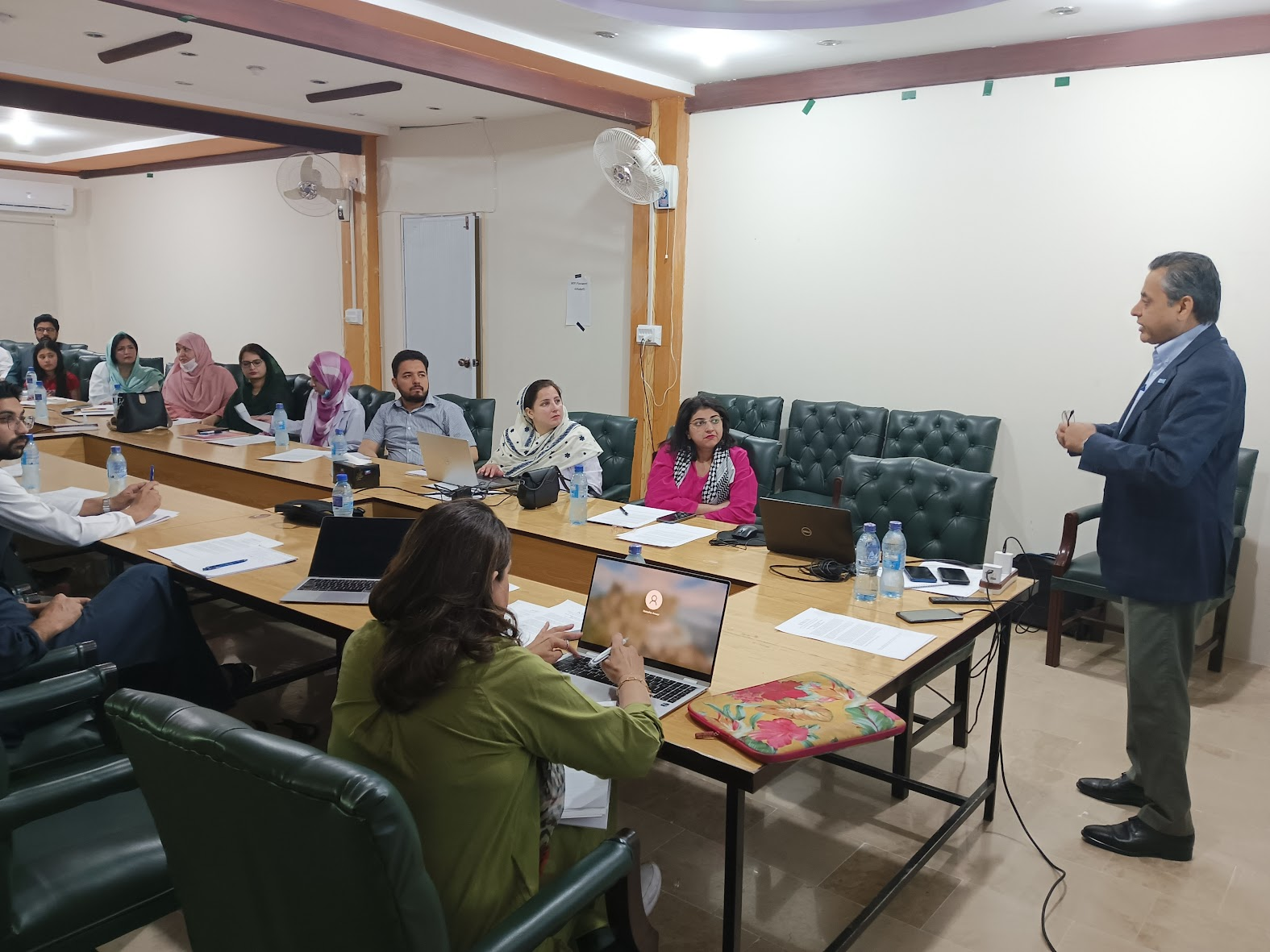
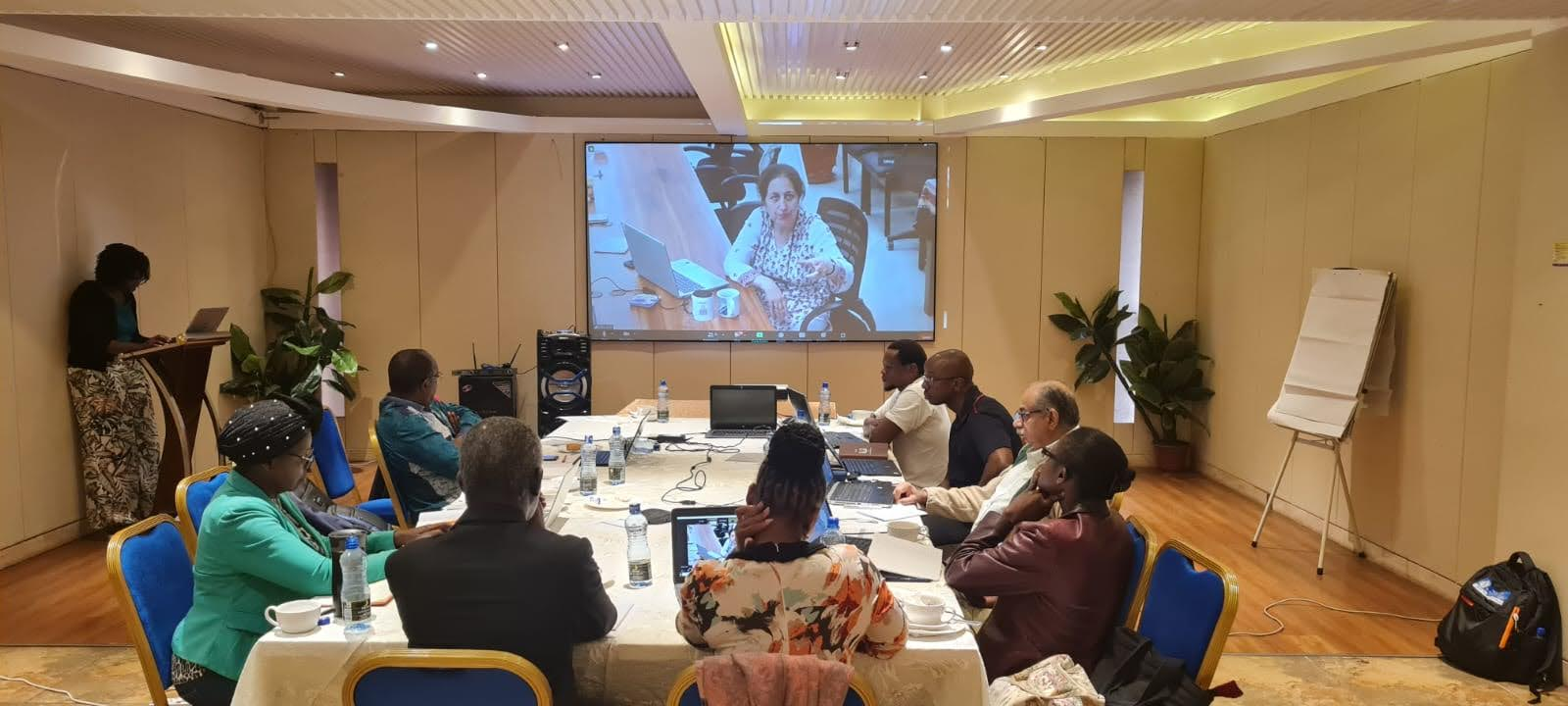
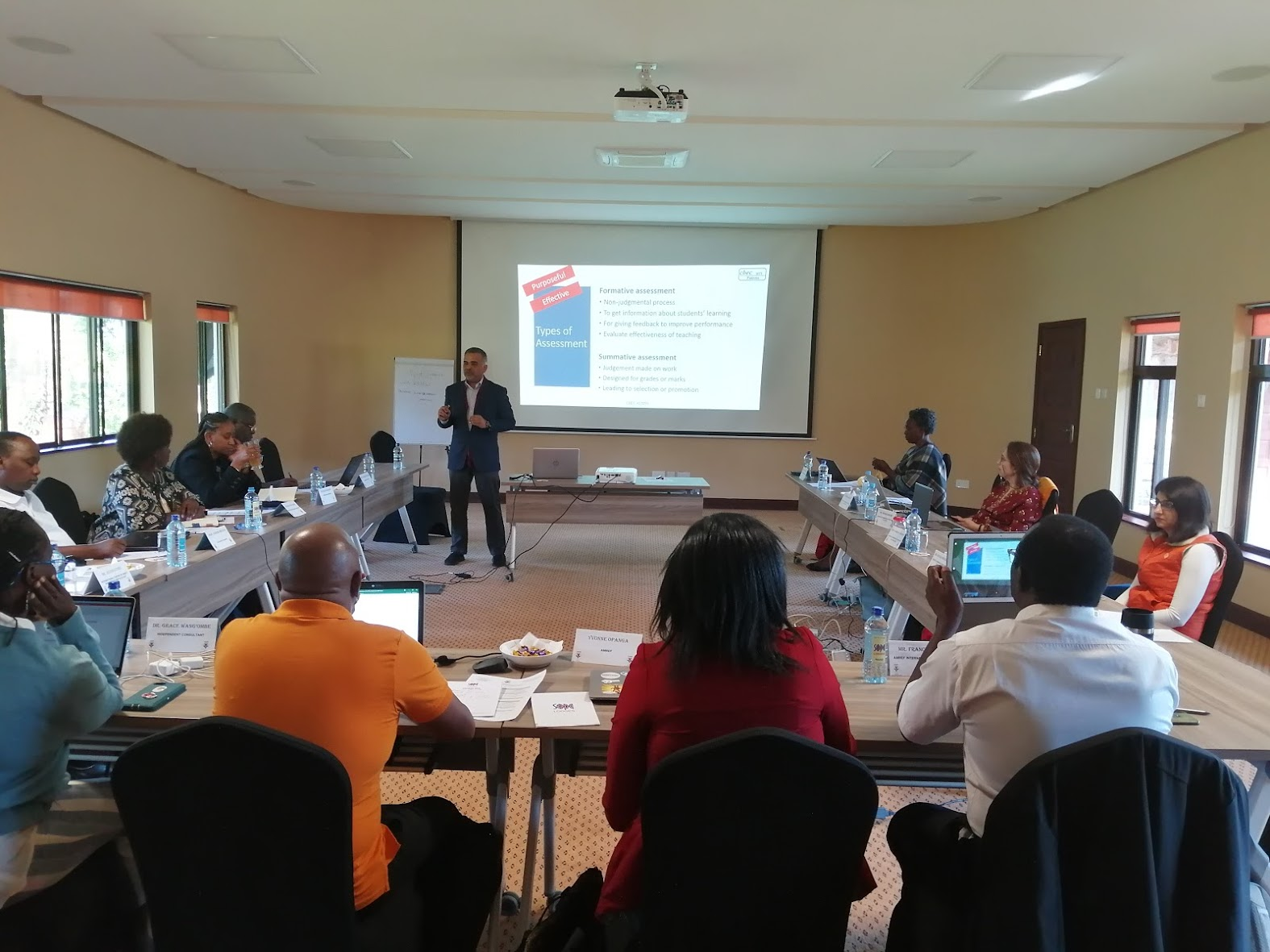
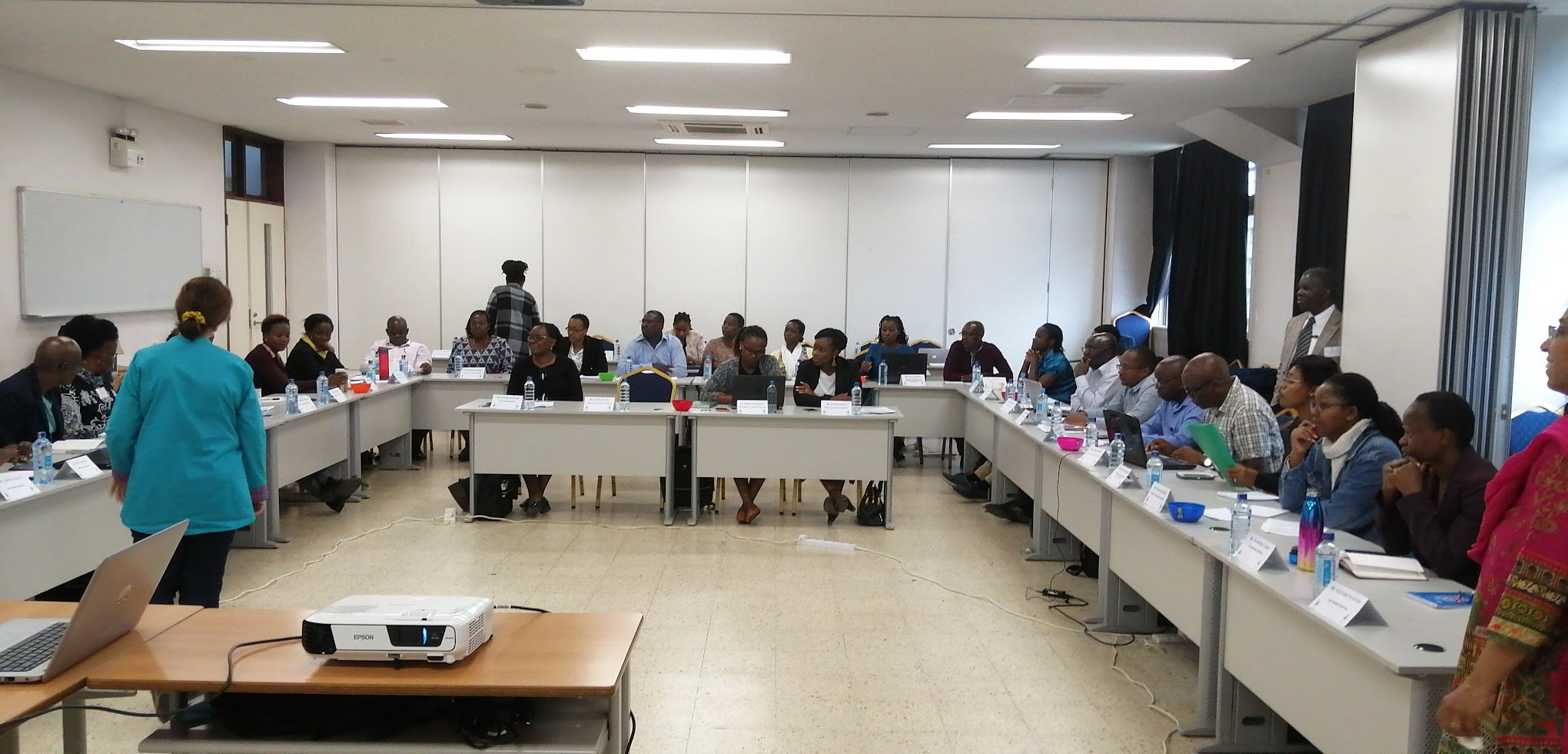
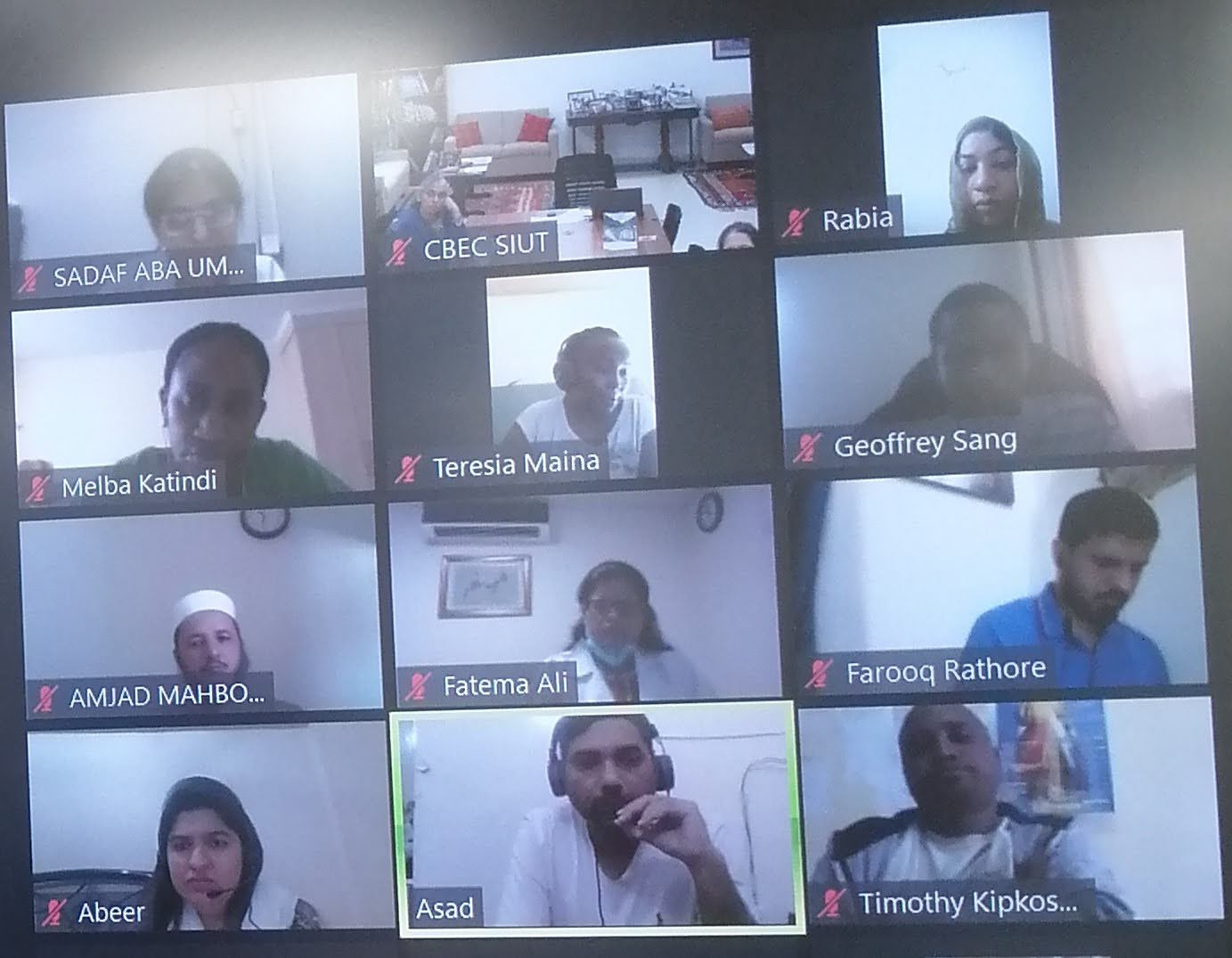
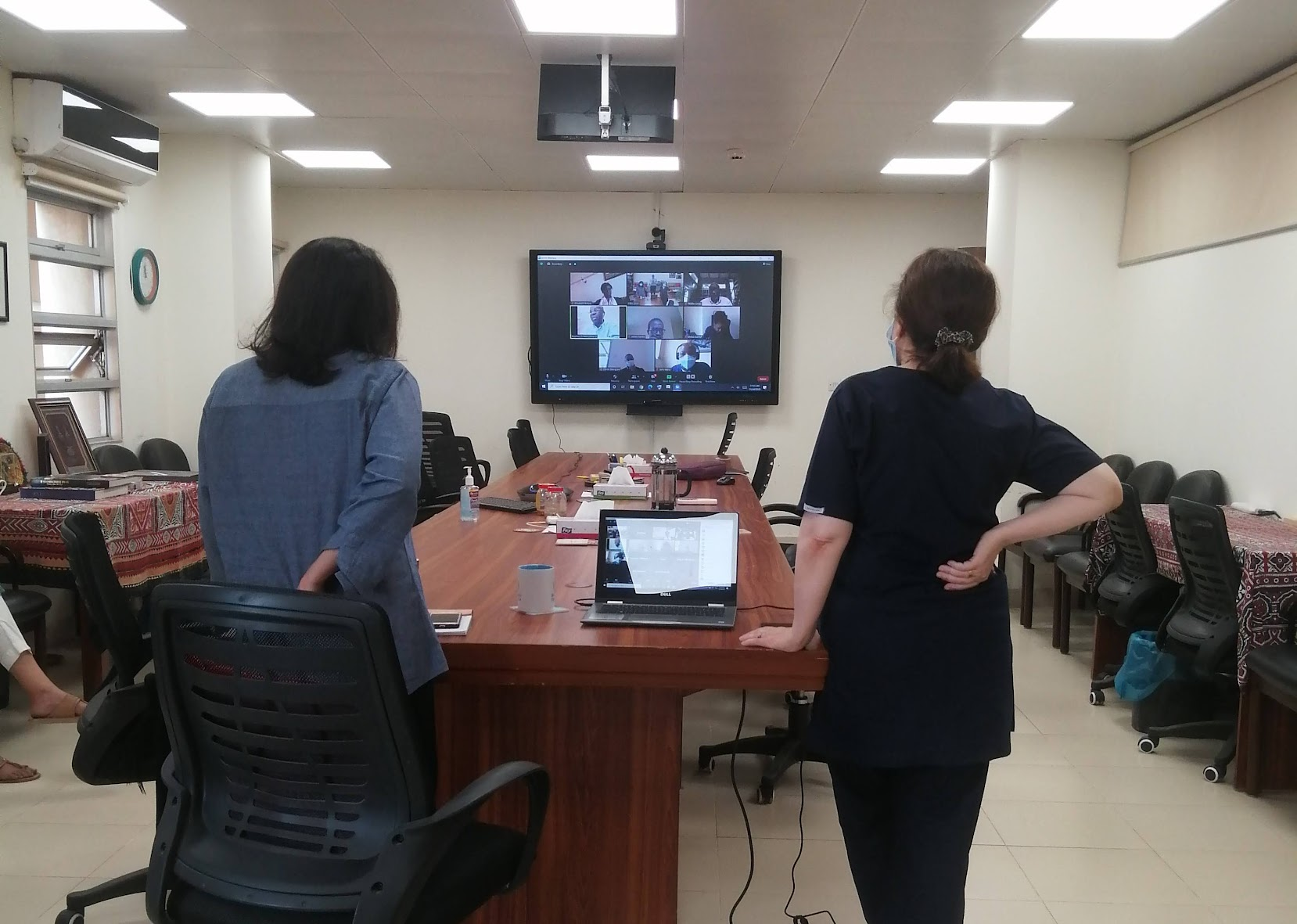
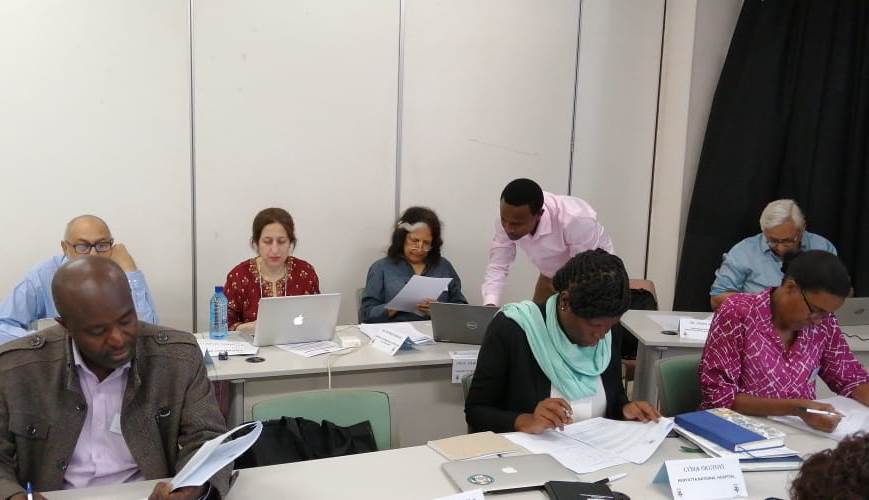
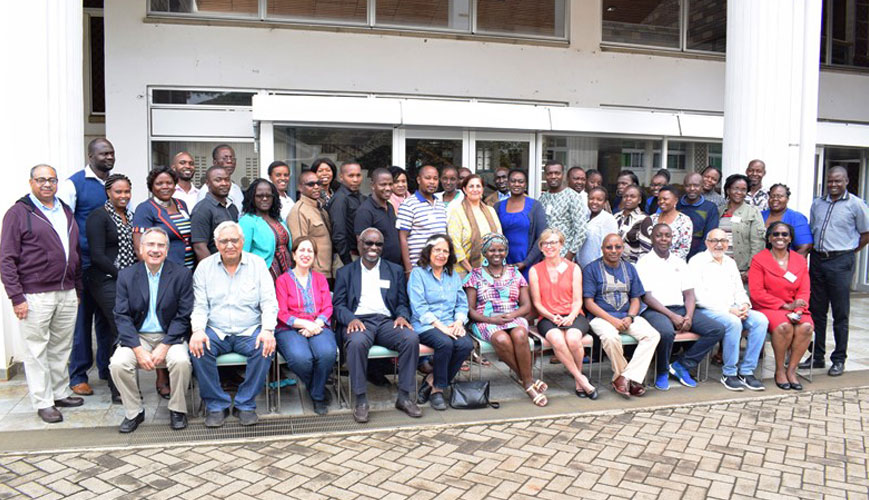
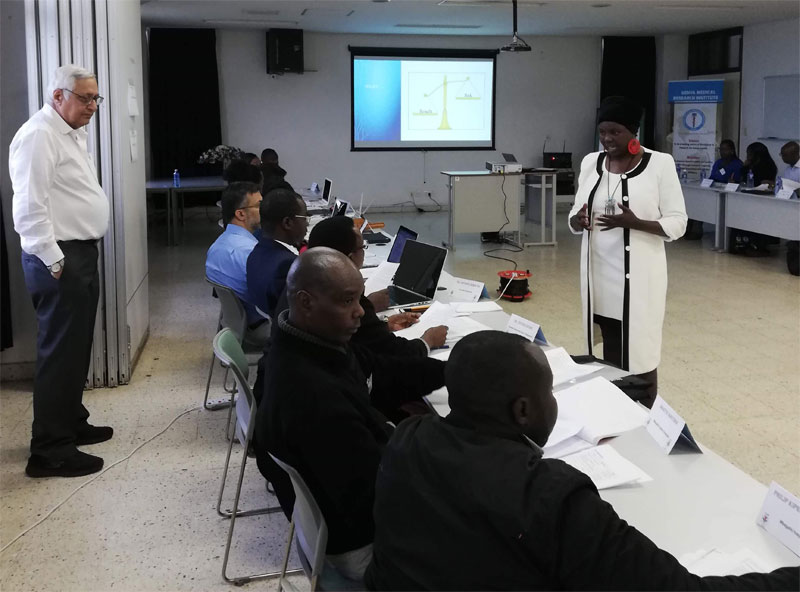
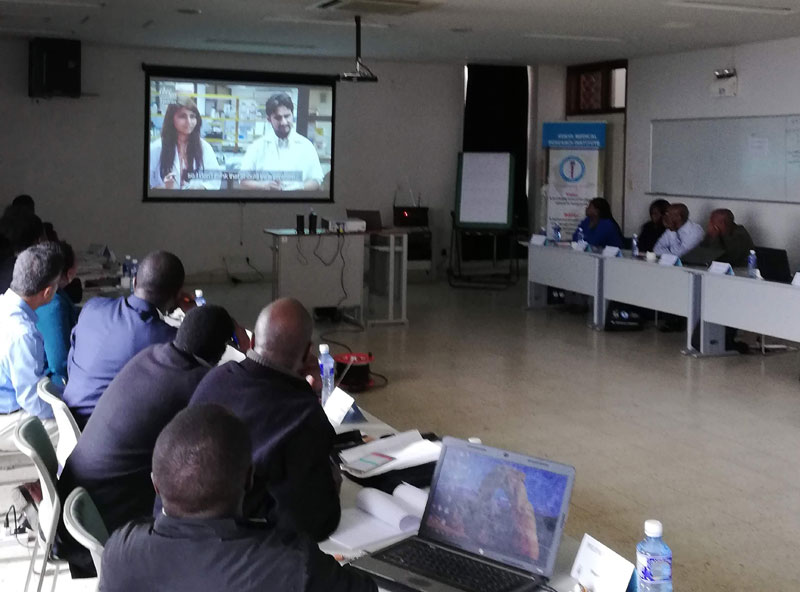
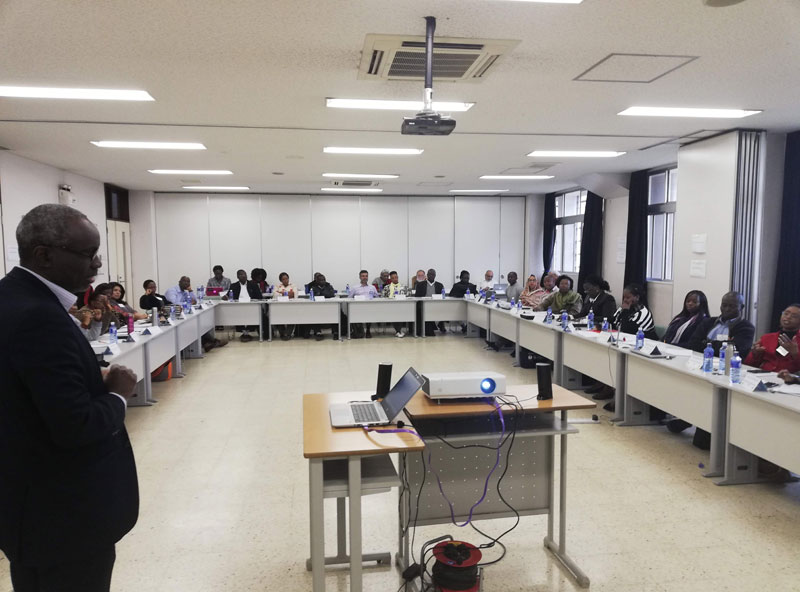
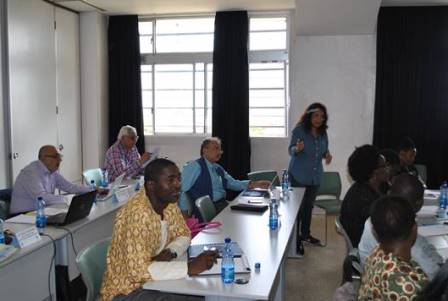
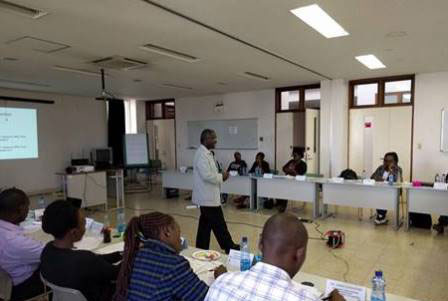
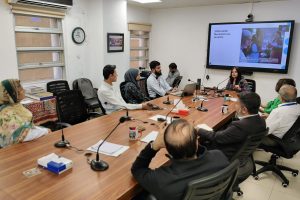
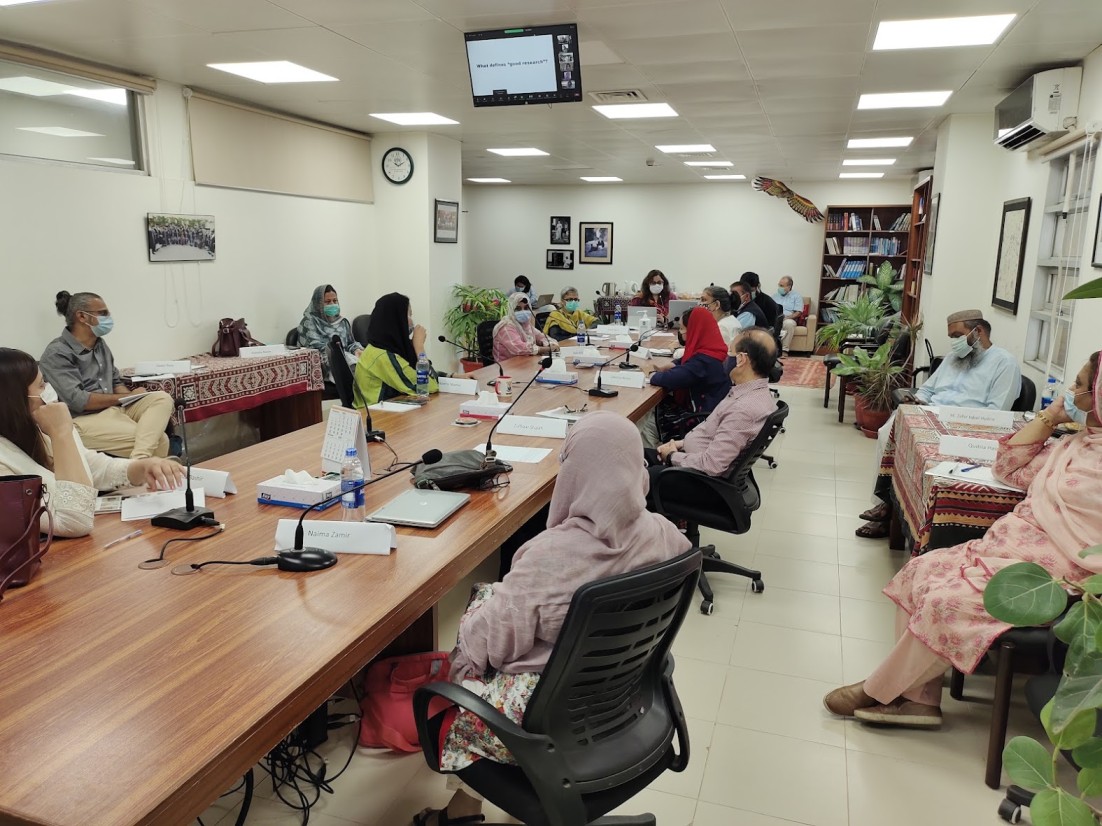 From October 20-22, 2021, in this hybrid workshop on Ethics During Public Health Emergencies, facilitators and participants from Pakistan and Kenya attended in person and online.
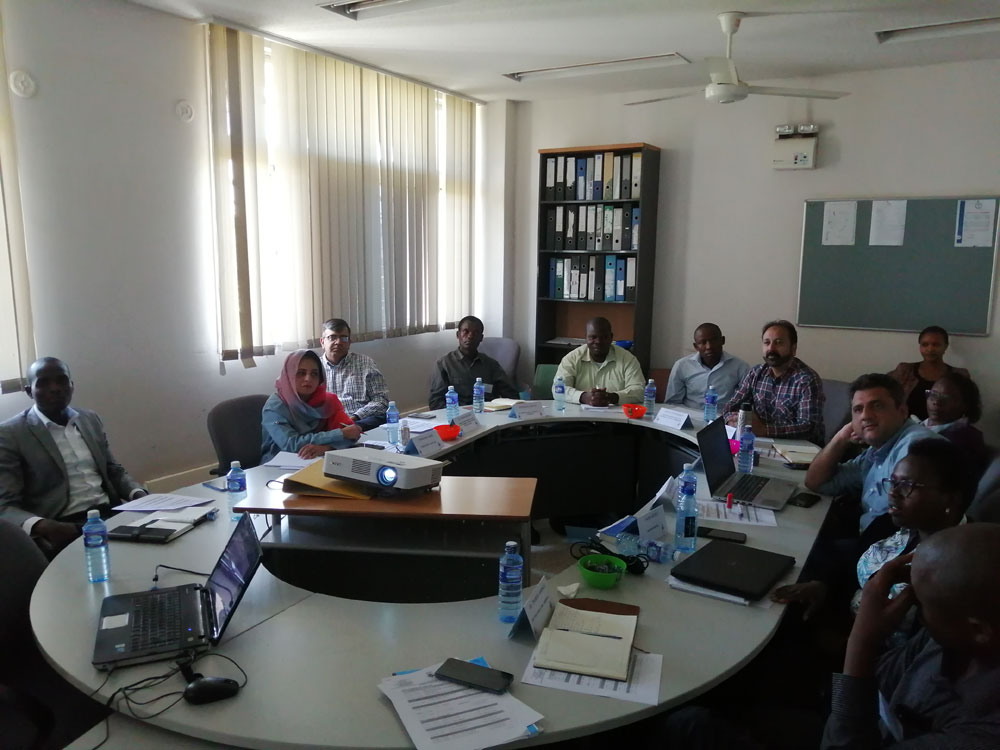
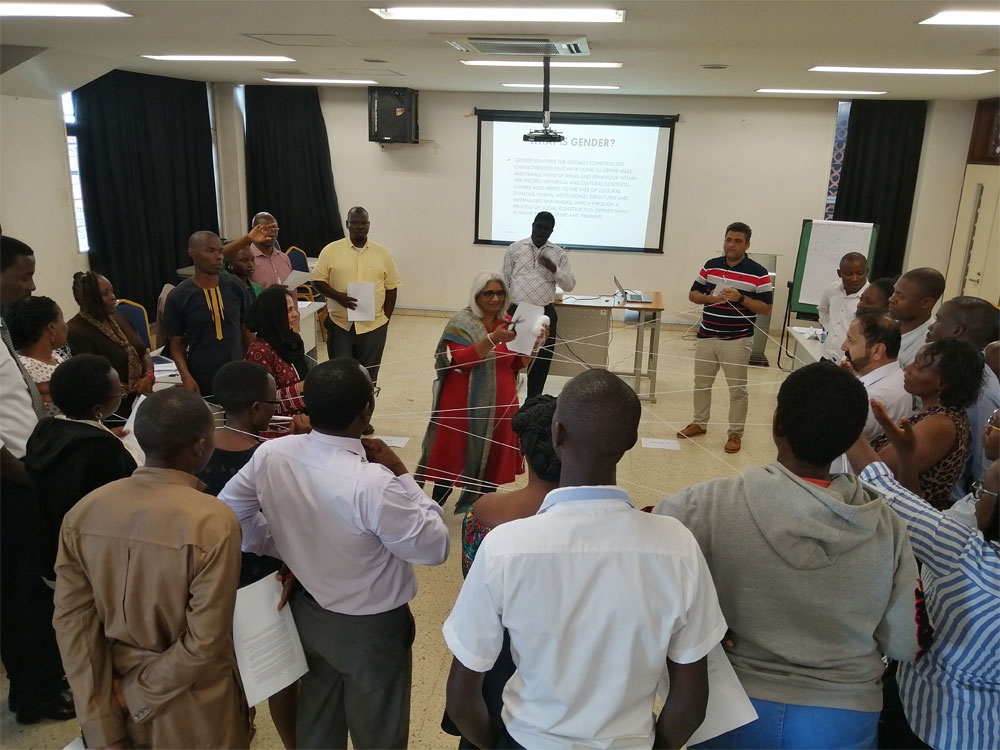
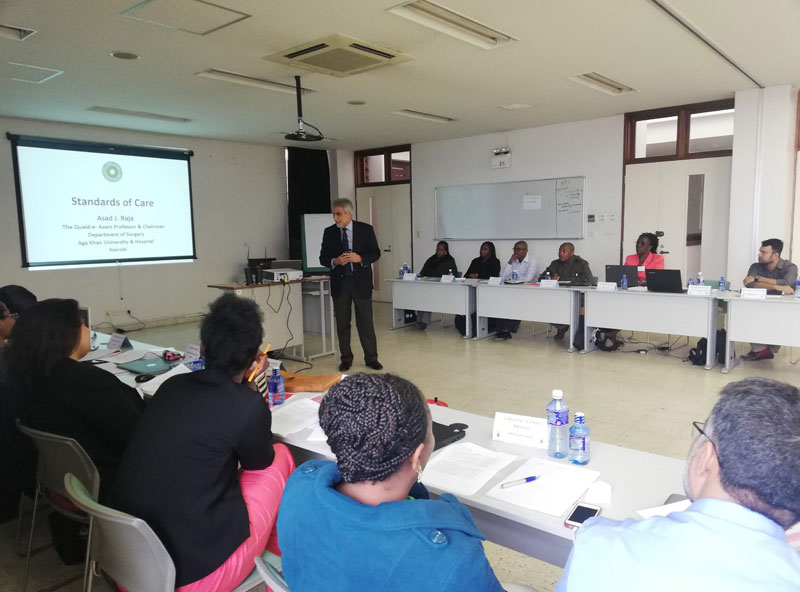
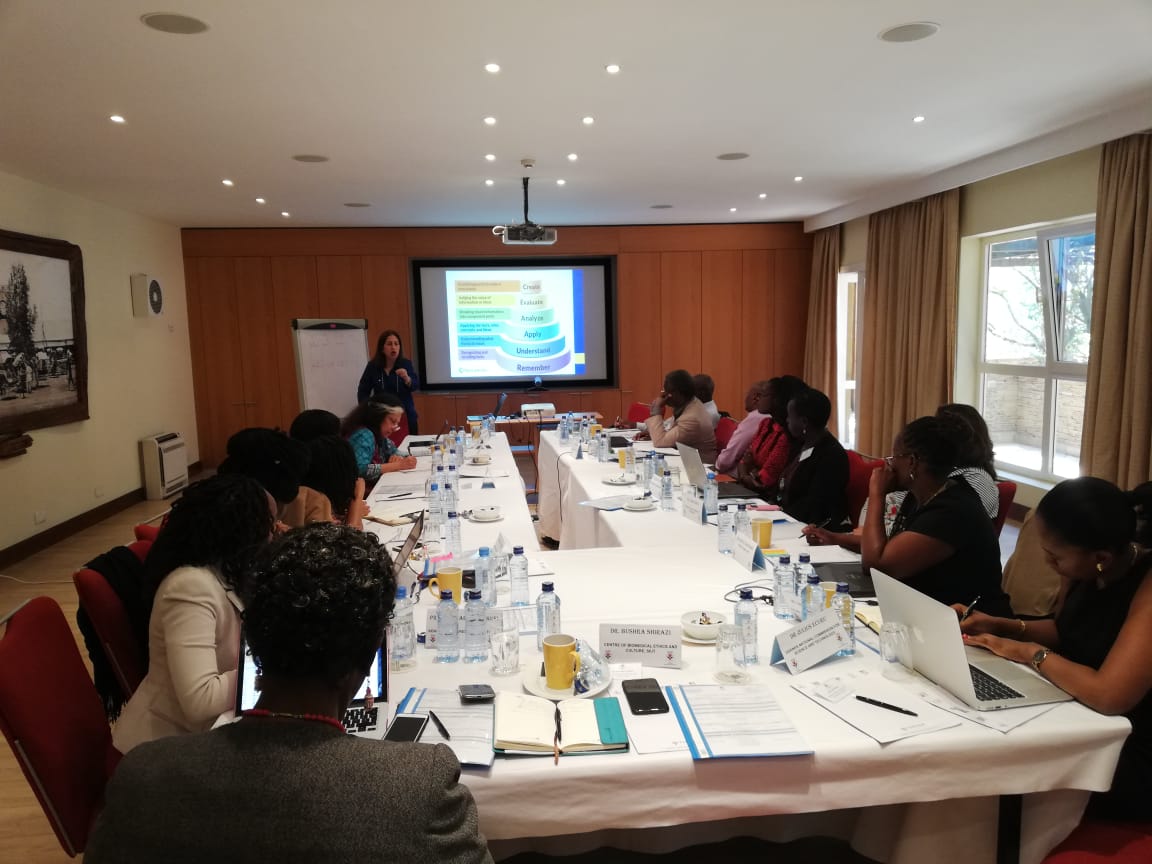
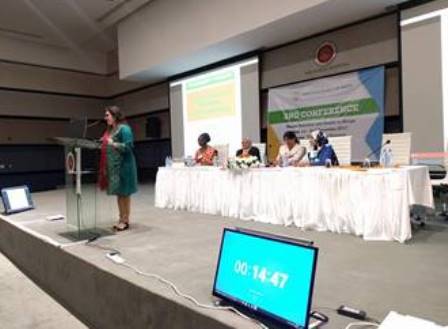
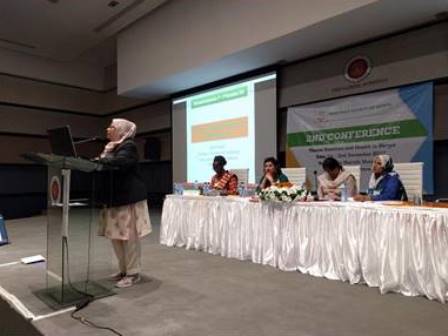
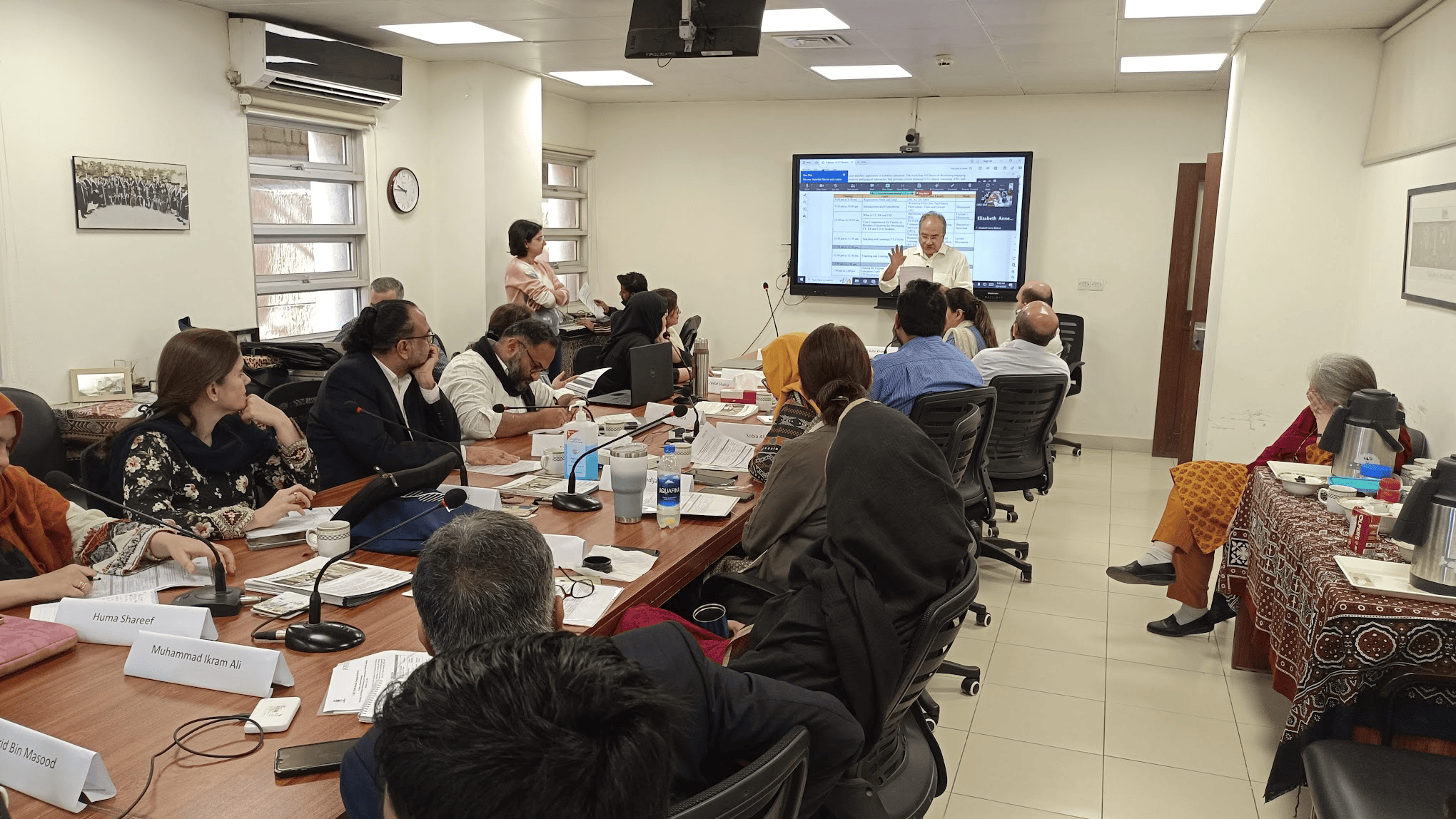
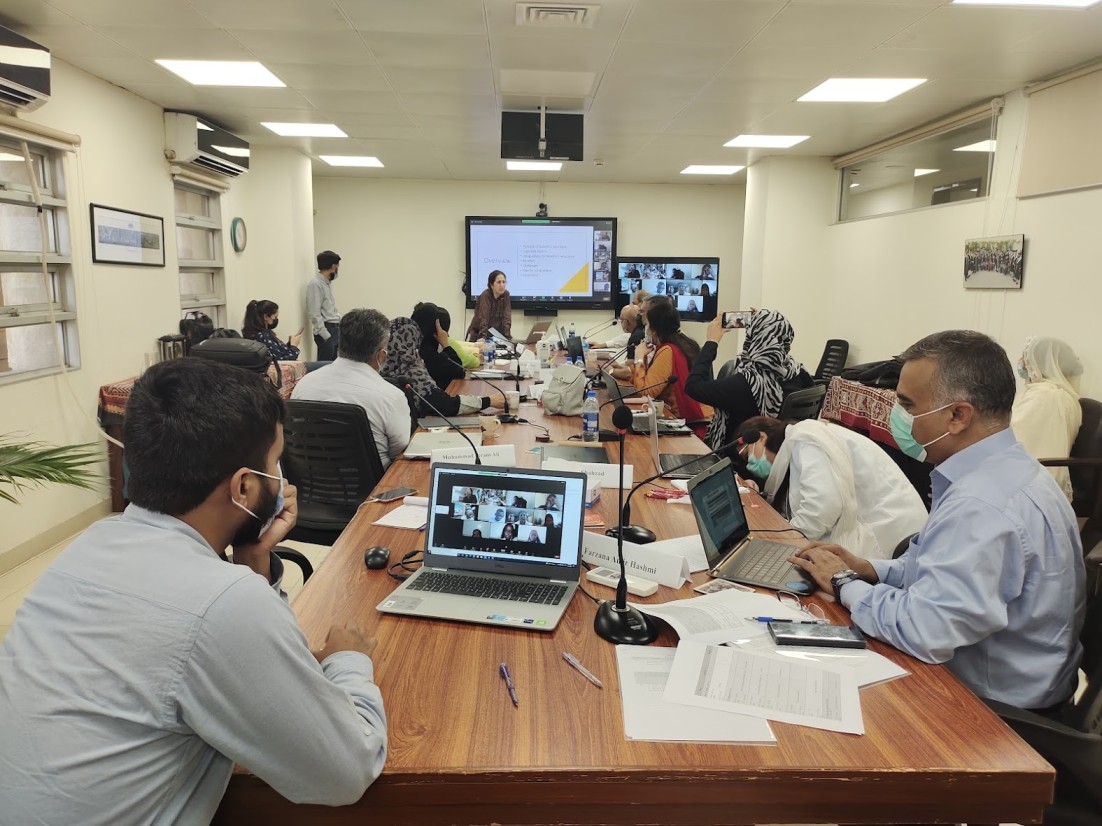 Dr. Shahid Shamim and Dr. Bushra Shirazi (seen in the picture) facilitated the Bioethics Pedagogy workshop held in Karachi (November 11-13, 2021), with Pakistani participants attending in person and African participants joining online.
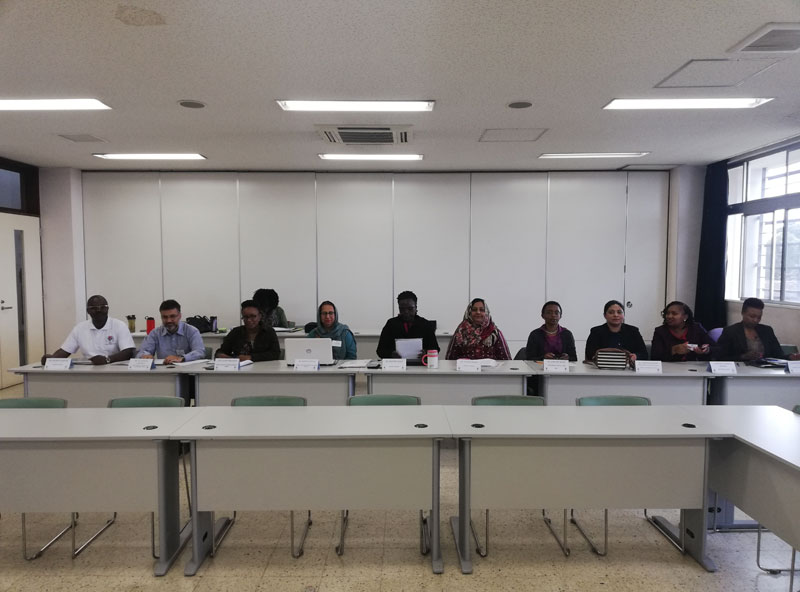
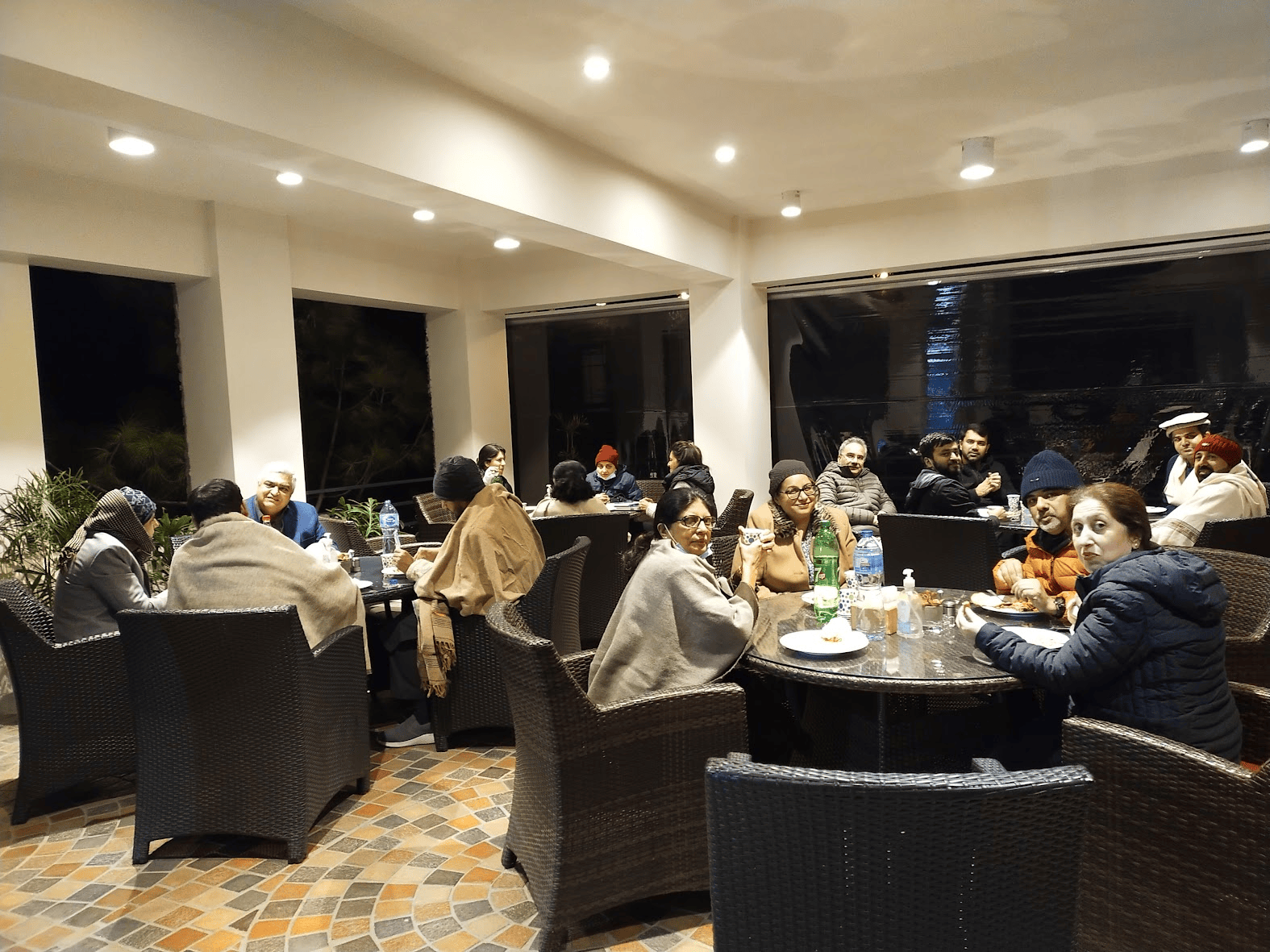 Participants and faculty of the Bioethics Pedagogy Workshop had dinner together in Islamabad after a long day of learning activities. The workshop was held from December 6-8, 2021.