
Category Archives: No Title

Honor Killings and Pakistan

Dr. Summaiya Syed Tariq, Police Surgeon

Honor Killings and Pakistan: Continuing Challenges

Summaiya Syed-Tariq*

A young couple had eloped. Belonging to different tribes, but living in the same mohallah (neighborhood) they had committed the most dishonorable act. It was decided by the panchayat (council of elders consisting of men) to lure them back with promise of marriage celebrations. Dressed in their finest, both were killed by their respective families and buried in unmarked graves without funeral rites to reclaim lost family honor.

The above scenario is one instance of “femicide,” murder of women, which illustrates deep-rooted patriarchal values embedded within society. Honor killing, intimate partner violence, domestic or sexual violence, all pose a threat to women’s safety in Pakistan.

The practice of honor killing, colloquially referred to as Karo-Kari and Siyah-kari target both men and women although in majority of the cases, women are its victims. The parallel quasi-judicial systems, Jirga or Panchayats, issue verdicts declaring more women than men guilty and punishable. Different factors account for someone to be labeled as “kari” (black). Marrying outside the tribe, wanting to marry outside the family, being seen talking to a male at a public place is sometimes enough to be killed. The perpetrators of this crime are often members of the immediate family who carry out orders to murder for the sake of “ghairat” [traditional concepts of familial shame].

Human Rights activists estimate that around 1000 women are murdered annually in Pakistan in honor killings.1 As per unofficial statistics from southern parts of Sindh province, at least 217 people including 152 women were murdered in honor-related crimes in 2022.2 Sources in Sindh Police Department confirm that 141 women have been reported as murdered in honor-killings this year.

An alarming aspect of honor killing is that it is often made to simulate suicide. Such cases pose a special challenge and require a high index of suspicion during autopsy and investigations, to accurately declare the cause of death, especially where non-violent approaches are used including poisoning and hanging.

The legal standing of honor killing in Pakistan has a long history with unsuccessful attempts to control it. In 2004, the Criminal Law Amendments in sections of the Pakistan Penal Code (PPC) and Criminal Procedure Code officially recognized honor killings as a form of murder thereby paving the way for it to be prosecuted in regular courts of law.

However, murder under the existing Qisas & Diyat Act 1991, is considered a compoundable offence. This allows the complainants to pardon the accused through a compromise arrived at voluntarily. They can also either claim or refuse diyat (compensation or blood money payable to the legal heirs of the murdered). This creates challenges in the application of the 2004 PPC amendment.

In 2016, Qandeel Baloch, a social media celebrity, was killed by her brother for bringing “shame” upon her family. The accused was subsequently pardoned by his and (the victim’s) parents. This created an uproar both nationally and internationally. Books and movies focusing on Qandeel’s life were developed to bring attention to this cause. All this served as a catalyst for the introduction of the Honor Killings Act 2016.

The Act defined honor killing as “murder” with penal punishments, categorizing it as “fasad-fil-arz” (producing chaos in society). This term, drawn directly from Muslim jurisprudence serves to see the act as a danger to the wider community shifting the nature of the crime to one committed against the State and not only an individual. This concept is also used to decide the severity of punishment awarded by assessing the past convictions of the accused, the nature of the offence and the accused being a danger to the wider community.

The Act however has several loopholes. As an example, determining the “past conduct” of the accused in awarding punishment can serve as a double-edged sword. If the accused has no past history of violence, the degree of punishment can be reduced.

Moreover, since the prosecution must establish that the murder indeed qualifies as honor killing, the credibility and expertise of the prosecutors are crucial factors in the implementation of the existing laws. Lack of training, incompetence and callous attitude of prosecutors can contribute to miscarriage of justice. External and internal influences can also tilt the scale in favor of the powerful.

More importantly, the existence of two sets of law continues to complicate delivery of justice in most cases. Despite the existence of 2016 Act, the Qisas and Diyat Act 1991 still stands leaving the door open for negotiations and compromise, even if the case goes to trial. However to date, no published evidence exists with respect to the percentage of cases that end in a compromise.

While the long-term effects of the laws have yet to be established, increasing social awareness and civil outcry about violence against women in the wider Pakistani society continues to provide impetus for changes within the legal systems. As an example, the Domestic Violence Bill passed in 2021 can be considered a landmark achievement for including emotional and psychological abuse within the definition of violence against women. Pakistani society has a whole long way to go in eliminating crimes against women but the response of the civil society provides a glimmer of hope for change.

References:

  1. https://www.hrw.org/world-report/2022/country-chapters/pakistan
  2. https://tribune.com.pk/story/2407440/217-killed-in-the-name-of-honour-in-2022-report
*Forensic Medicine Physician, Chief Police Surgeon, Karachi.

WHY DO WE NEED

Dr. Ziba Mir-Hosseini takes a “Meet the Professor” session online on “Islamic Feminism” during the Gender Ethics Module, December 2023 followed by a commentary from Dr. Khalid Masud, Judge, Shariat Appellate Bench, Supreme Court, Pakistan. Students interacted with both speakers on the topic.

WHY DO WE NEED “ISLAMIC FEMINISM”?

Ziba Mir-Hosseini*

Gender equality is a modern ideal, which has only recently, with the expansion of human rights and feminist discourses, become inherent to generally accepted conceptions of justice. But what presents Muslims today with a distinct problem is that family law and gender norms are still based on classical fiqh rulings that uphold a patriarchal model of family, treat women as second-class citizens, and place them under male authority.

The religious legitimation of patriarchy has been the subject of heated debate among Muslims since the early twentieth century. Feminist participants in this debate form two broad camps. The first are those who consider religion to be inherently patriarchal and see engagement with it to be a futile and incorrect strategy. The second group comprises those who see such an engagement as essential for a viable challenge to the hegemony of patriarchal interpretations of the Shari‘a. This second group (among which I include myself) by the 1990s had acquired the label of ‘Islamic feminists.’ They argue for the necessity of a brand of feminism that takes Islam as a source of legitimacy and confronts patriarchy from within the tradition.

One of the central challenges that Muslim women face in their struggle for equality is how to address in a systematic way the gap between modern notions of justice, in which equality is inherent, and ideas of justice that underpin established understandings of the Shari‘a, in which individuals are accorded rights on basis of their faith, status – and gender – as defined in classical fiqh. To bridge this gap, we need scholars and activists who can work together to bring fresh perspectives on Islamic teachings, and to explore common ground with advocates of human rights and feminism. We need constructive dialogue to overcome two blind spots in approaches to gender issues in Islam and human rights.

On the one hand, scholars of Islam are largely unaware of the importance of gender as a category of social analysis; they oppose both feminism, which they understand to mean women’s dominance of men, and human rights, which they see as alien to Islamic tradition. On the other hand, some feminists and human rights advocates have little knowledge or appreciation of religious modes of thought and religion-based laws, rejecting them as antithetical to their project. However, most women whose rights they champion are believers and live according to the teachings of Islam, thus effective change can come only through engagement with those teachings.

In other words, to achieve sustainable and deep-rooted change, we need dialogue and consensus. We should demonstrate the injustices that arise from patriarchal customs and laws based on the pre-modern interpretations of the Shari‘a, and offer defensible and coherent alternatives within a framework that recognizes equality and justice. But is this possible? Can we ground our claim to equality and arguments for reform simultaneously in Islamic and human rights frameworks? Can there be an egalitarian interpretation of Shari‘a?

Feminist voices and scholarship in Islam are part of the new wave of reformist thinkers that contend that the human understanding of Islam is flexible, that Islam allows change in the face of time, place and experience, and that Islam’s tenets can be interpreted to encourage both pluralism and democracy. But instead of searching (like earlier reformers) for an Islamic genealogy for modern concepts like gender equality, human rights, and democracy, they place the emphasis on how religion is understood and how religious knowledge is produced.

They do not reject an idea simply because it is Western, nor do they see Islam’s textual sources as providing a blueprint, a built-in programme of action for the social, economic, and  political problems of the Muslim world. What they give us is ethical guidance and principles for the creation of just laws. The Qur’an upholds justice and exhorts Muslims to stand for justice; but it does not define it. Rather, it indicates the path to follow, which is always time-bound and context-specific.

These thinkers have developed theories and strategies for reform. Chief among them are the distinctions between religion and religious knowledge and between the changeable and the unchangeable (mutable and immutable, accidentals and essentials, descriptive and prescriptive) in the texts; they seek to discern the aims (maqasid) of the Shari‘a, and to locate in their historical and political contexts both the sacred texts and the rulings that classical jurists derived from them.

Islamic feminists are re-inserting women’s concerns and voices – which were silenced by the time that the fiqh schools emerged – into the processes of production of religious knowledge and law making. In this sense, they must be seen as part of the larger struggle for the democratization of production of knowledge in Islam and for the authority to interpret its sacred texts.

In modern times, when nation-states have created uniform legal systems and selectively reformed and codified elements of classical Islamic law, and when new forms of political Islam have emerged that use Islamic law as an ideology, one of the main distinctions in the Islamic tradition has been distorted and elided. This is the distinction between Shari‘a and fiqh. In Muslim belief, Shari‘a is God’s will as revealed to the Prophet Muhammad. Fiqh, or jurisprudence, denotes the process of human endeavour to discern and extract legal rulings from the sacred sources, the Qur’an and the Sunnah. This distinction, which underlies the emergence of the various jurisprudential schools in the tradition, and, within them, a multiplicity of positions, has immense epistemological and political ramifications.

It allows contestation and change; it enables us to separate the legal from the sacred, and to ask basic questions such as, how do we know what the Shari‘a is? How do we know what we know about gender rights in Islam? Who decides what ‘Islam’ mandates? The distinction is therefore crucial to the arguments of committed feminists who choose to locate their feminism within Islamic tradition.

Let me end by saying that the close link between theology and politics can be a double-edged sword. It has been one of the main obstacles that Muslim women face; but it has also the potential to be an effective means for challenging patriarchal laws and unjust structures. The rise of political Islam in the second part of the twentieth century, and the politics of the ‘War on Terror’ in the present century, have shed new light on how ideological dichotomies such as ‘secular’ versus ‘religious’ feminism, or ‘Islam’ versus ‘human rights’ have masked the real site of the battle – the conflict between, on the one side, patriarchal and authoritarian structures, and, on the other, egalitarian and democratic ideologies and forces. If we recognize this, then we can aspire to real and meaningful change, and begin to transform the deep structures that have shaped our religious, cultural and political realities.

This is an abridged version of an article first published in Al-Raida Journal, Vol 44, Issue 2, 2020, pp. 85-91

*Professorial Research Associate, Centre for Islamic and Middle Eastern Law, University of London.

A journey through testing times

A journey through testing times

Mariam Hasan
PGD Alumnus, Clinical Researcher, Shaukat Khanum Memorial Cancer Hospital, Lahore.
Volume 10 Issue 1 June 2014

“….burning with curiosity, she ran across the field after it, and fortunately was just in time to see it pop down a large rabbit-hole under the hedge. In another moment down went Alice after it, never once considering how in the world she was to get out again.” (Lewis Carroll, Alice in Wonderland.)

Does autism run in your family?  Why is your sister like that? Was she born that way? I have spent a life time answering these questions never knowing the answers myself. My youngest sister, Eesha, was diagnosed with autism when I was twelve and she was a three year old baby. Needless to say my earliest memories surrounding the words hereditary and familial weren’t exactly pleasant, and they were often accompanied by a sense of confusion and a feeling of persecution. For the next few years Eesha remained a skeleton in the family closet. I entered the field of genetic research with this background baggage and rolled down the rabbit hole into the genetic wonderland filled with curiosity and wanting all sorts of answers.

My initial attempts at discussing genetic tests with families who had “pedigrees suggestive of a genetic predisposition” were clumsy and often awkward. I was scared of cancers and considered mutations a disease and had only begun adjusting into my role as a research officer who had a MBBS degree but was no longer a “doctor.” I was taking consents for research that often had “bad” or confusing results and which many times translated into life-altering decisions for the research participants. I struggled and stumbled in the dark with Urdu explanations for genes, hereditary illnesses, single nucleotide polymorphisms and other genetic paraphernalia for the next few years. I would love to say that eventually I had some genetic epiphany but of course that didn’t happen; however, over time some things did change.

On a personal level, over the years as I have entered further into the joyous and heart aching journey of raising an autistic sibling, I have become grateful for her silent, gentle presence in my life.  Over the years autism has changed too. It now has many names and shades and many genetic links have emerged through research. The unpredictable future of our unborn children sometimes still worries me and my siblings. We try not to remain complete hostage to such thoughts.  On the professional front, my encounters with genetic research participants have certainly changed over the course of time. The 70 year old “Amma,” whom I met the other day, was concerned about passing on her cancer to her daughters just like she got it from her mother, but could understand only few things in my simplified genetics 101 lesson. She wanted to talk and my time was the only thing I could offer. She left with a pat on my head and I was left humbly educated by her ability to see disease, disability and death as a natural flow of life and her complete acceptance of human genetic “imperfections.”

Over time, I have also learnt that doing genetic research means entering into a “relationship” with the research participant families. Besides the requisite information that I collect for research records, I hear about marital discords, the troublesome in laws, the nafarman aulad, (disobedient offspring) the nalaik bahu, (useless daughter-in-law) and every possible imaginable personal and family life issue, and often end up  giving lots of personal advice.  It’s also often hard to be just laying out clinical options for risk reduction without mixing it with some subjective often paternalistic advice.  Lastly, I believe, with the ever expanding “unknown” in genetic research, one of the greatest assets for a researcher is a certain amount of “genetic humility,” recognition of the inherent haziness of the genetic crystal ball and the fine line that separates prediction from pure speculation.

Eesha turned 26 last month. She gingerly accepted my hug but smiled widely at the birthday feast we had laid out for her party. I also recently came across an article about genetic testing of embryos to screen out genetic diseases. We all discussed it, perhaps might even consider it someday, but for now, whatever will be, will be…

When Ethics Meets Law in Pakistan

When Ethics Meets Law in Pakistan

Sualeha Shekhani
Assistant Professor, Centre of Biomedical Ethics and Culture, SIUT, Karachi.
Volume 11 Issue 1 June 2015

A group of five young women walked into the tall historical building with a myriad of feelings: apprehension, excitement and a sense of purpose. We were equipped with tape recorders, notebooks, cellular phones and different aids for the purpose of research. However, to our amazement, we found out that before entering the vicinity of the ‘dangerous zone’, we had to hand over the different electronic devices. This included cell phones, tape recorders and even flash drives. We had arrived at the premises of Women’s Central Jail, Karachi, with the objective of investigating the nature of female crime within Pakistan through conducting in-depth interviews with female prisoners. Our aim was to understand the kind of crimes women tend to commit and the possible reasons which lead them to perpetrate these acts.

What followed was a series of contradictions and surprises. We were led by a jail warden to a small room, utilized mainly as a sitting room for prisoners. We were also able to attract attention from the different women prisoners, who watched us with a mixture of curiosity, awe and resentment. We made ourselves comfortable in the room while a jail warden set out to recruit subjects for interviews. Since we were inside the room, we could not observe the way that they were being asked to participate in the research. Three or four women arrived in a group, shy and hesitant. A constable accompanied them and stayed there during the course of the interviews. It was unclear whether this was for our safety or because the prison was wary that its ‘misdeeds’ and ‘misconduct’ would be reported to us (we had been initially mistaken as journalists or people from the press). In any case, this probably deterred the subjects from speaking freely about the nature of their crime.

We were holding conversations in a small room, with two interviews being taken at one time. During this process different jail wardens kept coming in and going out, some women had children with them who proved to be a distraction and other prisoners would occasionally interrupt the interviews to add their bit. This might have also influenced the research outcome. We also encountered something quite unexpected. “Humein phansaya gaya hai,” (We have been falsely accused) was a statement we heard, which was shocking. None of the women we interviewed confessed that they had committed the crime! Later, in a separate interview with a constable, we were told that the lawyers of these prisoners had advised them not to speak of their crimes. They were told to behave as ‘victims’ rather than as perpetrators.

We interviewed women who were in the prison for numerous reasons. Some of them had killed their husbands, one had managed to kill her entire family so that she could run away with the man she loved, and a few had kidnapped children for ransom prompted by poor socio-economic conditions. A widely publicized case, where a wife had murdered her husband and made curry out of his flesh was discussed within the jail with relish, thus leading to a natural curiosity to speak to the perpetrator. The warden who had been assigned to help us stated that it would be difficult to recruit her. We requested if we could ask her ourselves. The woman walked confidently around the large area which served as the ground for the women prisoners, where they would sit during the day. Her fellow prisoners also steered clear of her. We approached her quite hesitantly, stating our purpose. She looked at us, up and down, and shook her head, indicating disagreement to be part of our research. We retreated after she said “Mein kyun bataon, jab meiney kuch kya hee nahi hai,” (Why should I tell when I have committed no crime).

Another incident also merits description. There were two women from Africa, both convicted due to drug trafficking across borders. To get a glimpse as to what could have led to this unique crime, the warden was requested to ask for their permission for inclusion within the research. They refused. However, when we were going out, finished with interviewing for that day, they approached us themselves, standing haughty and proud. They were curious about us just like we were curious about them. They asked us where we were from and inquired about our purpose for visiting the jail. Quite chatty, they remarked that our area of study (social sciences) was quite interesting. Slightly emboldened by their friendliness, one of us asked them if they would like to be part of the study. They declined and walked off. What struck me at this point was that the personalities and the demeanor of the women who agreed to participate versus those who declined were quite different. The latter were strong, stood tall and defiant. The former had somewhat submissive postures; two of them had also cried during the process of telling their story.

Paucity of information due to non-admittance of the crime along with the research setting made it impossible for us to meet the initial objectives of our study. I walked out of the prison with my colleagues, with a sense of unfinished business. However, I also realized that I had experienced a few realities that were unexpected and unsettling. In general, researchers would like to know the facts as much as they possibly can. We had mulled over whether to request for case files of the prisoners who were interviewed. The head of the prison had suggested this. Therefore, in essence it was legal to undertake this step. However, we considered the ethical dimension of this action. The research centered on the relationship between the interviewer and interviewee, and knowing more than what we found during the conversation would have violated this. Hence, we came to the conclusion that what may be legal might not necessarily be ethical.

I also thought over the two instances of prisoners refusing to give the interview. Had the other subjects been somehow ‘coerced’ to give the interview? Research ethics identifies prison populations to be vulnerable to coercion. This is where the idea of voluntary participation comes about. How many of the women had actually fully consented to be part of the investigation? In retrospect, I remembered that the warden had actually insisted that she could make any woman talk if we so desired, but we had told her to ensure that none of the prisoners were forced. We had  ensured that our consent forms were in Urdu naively assuming that the subjects would know how to read. We had also insisted that a jail warden acted as a witness to every interview. She did so but after she had belittled us for being overcautious and finicky.

I left the jail with several insights. Lack of awareness about research ethics, including voluntary participation, may lead to such behavior. It made me think that perhaps ethics of research should not be restricted to people doing the research but also made available to the general population. While leaving with a sense of unfinished business, I also concluded that research centered in the sociological world is filled with uncertainty, and therefore, research protocols require some flexibility. An illustration of this is that we were unable to use tape recorders and thus the interviews could not be recorded. This made data collection more difficult and useful information may have been lost in the process. I also realized that, as a researcher, I would have to be well-versed in ethics, and even more importantly accept the responsibility to apply this knowledge.

Alive like colors

Alive like colors

Abeer Salim and Madiha Farhan
Abeer Salim Assistant Medical Director, Tabba Heart Institute, Karachi; Madiha Farhan, Head of Nursing, Tabba Kidney Institute, Karachi
Volume 13 Issue 2 December 2017

As I walked into the general ward for my rounds on the first day of my job, I noticed a brightly clothed patient in one bed. My first reaction was to ask the ward in-charge why the patient on A-6 was not provided a patient dress (plain white gown). When the in-charge answered “Oh that’s Mehvish, she never wears the patient gown,” I looked at him questioningly and continued my round.

Next day, I approached Mehvish, a small framed woman in her early thirties, hardly four feet and a few inches tall.  She was sitting upright in her bed, busy looking at her cellphone’s screen. But she looked up and greeted me cheerily, “Oh you must be the new ‘Madam’. Assalam o alaikum!” Surprised, I responded, “Walaikum asaalam, and you must be the lady who needs to wear the patient gown. It’s protocol.” Mehvish protested, “No, please…I don’t like the deathly white gown, I like colors because they are alive, just like I am!” I had never heard a patient draw such an analogy before.

While Mehvish chatted on, I got to know that she had been a patient here for the past 15 years, and at another hospital for 5 years prior to that. Curious now, I picked up her charts while asking her what she did (other than being a patient). She responded with a sparkle in her eyes and dimples on her rather skinny but brightly smiling face that she was a school teacher. She told me proudly that she managed to maintain a routine. I felt a pang of sadness as I saw in her charts that she had suffered from End Stage Renal Disease (ESRD) since the past 20 years, making her permanently dependent on dialysis. Mehvish, immediately sensed that I had understood her medical condition and said, “Here (patting her bedside chair), sit with me, let me tell you how brave I am.” She went on, “My life was normal for 9 whole years before it changed. Instead of toys and books, life handed me medicines and prescriptions.”

I was hooked to her way of narrating her tale. Mehvish explained animatedly that she was diagnosed with ESRD at the age of 10 and a renowned doctor advised a kidney transplant. Both her parents were tested and her father turned out to be a match. At this point, I wondered why she was a “permanent” dialysis patient if her father was a suitable match. Once again, she aptly sensed and answered my unspoken question. After finding out that he was a match, her father abandoned Mehvish and her mother and left, never to return. With a hint of tears in her eyes, she explained how she felt responsible for her father’s actions and her mother’s sufferings since then.

Wiping her eyes with the sleeve of her bright yellow and orange dress, she smiled again and concluded that she had had many complications of ESRD and 3 major surgeries. She had read about ESRD on the internet but she would not give up. Pointing to the fistula on her arm, she said “Look at my fistula. I am very lucky that this fistula is working since my dialysis started as I take care of myself.”

The rest of my day was spent in a haze as I kept thinking about the woman who despite all odds was “alive like colors.” Was her father’s decision of not donating a kidney wrong? Living in a collectivistic society, was the expectation of saving his own child so high that he had to jump ship and never look back? Could he have lived with this family with the burden of not donating a kidney while he watched her suffer? Or would it have been more just if he had the right to refuse regardless of social and societal pressures? I also could not help but wonder if the father would have left them to their fate if Mehvish had been a boy child.

It has been a year since then. She still gets dialyzed six times a week and has been critically ill twice…but she is still colorful, like life itself.

WHO-CBEC

Workshop participants engrossed in a small group discussion critiquing the draft document of the WHO benchmarking tool

WHO-CBEC Collaborative Workshop on reviewing “Tool for Benchmarking Ethics Oversight”

March 3-4, 2023

At the request of the World Health Organization (WHO), CBEC organized a two-day workshop to review the “WHO tool for benchmarking ethics oversight of health-related research with human participants.” The document is developed to assess the capacity of ethics governance structures at the institutional and national levels. The aim of the workshop was to determine the feasibility, relevance and validity of this document to the realities of LMICs.

Dr. Palitha Mahipala, WHO Representative (WR) for Pakistan, gave the opening address. Dr. Andreas Reis from WHO Geneva Office joined online to introduce the purpose of the tool. Dr. Ahmed Mandil, WHO-EMR Office, provided regional perspectives via Zoom. Dr. Arshad Altaf from the EMRO in Egypt participated in person for discussion.

Twenty-one participants, with diverse experiences in ethics governance, representing all four provinces of Pakistan, participated. Dr. Obaidullah representing Drug Regulatory Authority of Pakistan (DRAP), and Dr. Saima Pervaiz Iqbal chairing Research Ethics Committee of the National Bioethics Committee (NBC-REC), focused on ground realities drawing from their experience of membership in their respective committees.

After reviewing and critiquing the document, participants provided several suggestions. They recommended removal of a clause mandating use of online registries for governance structures at the institutional level due to its impracticality in local context. Another suggestion was that all research proposals should be reviewed irrespective of methodology given the nascent culture of research in many LMICs.

The workshop concluded with a report incorporating participant feedback, which was submitted to WHO Geneva. In a subsequent email, Dr. Reis thanked CBEC and acknowledged that the Pakistani participants “went into great details” providing “entirely new, and excellent suggestions” that will help making the tool “more feasible and practical.”

Moral Landscape

(From right to left) Dr. Irfan, Dr. Bushra, Dr. Mariam and Dr. Moazam, and Dr. Nida (third from left) with some of the participants of workshop on Clinical Ethics and Communication in Oncology in Shaukat Khanum Memorial Cancer Hospital, Lahore

Moral Landscape of Surgical Oncology in Pakistan

Irfan Ahmed*

The need for clinical ethics in guiding healthcare professionals in their decision-making processes is heightened in complex fields such as surgical oncology. Life-threatening diseases like cancer not only impairs quality of life of patients as they are exposed to multiple treatment regimens, but they encounter uncertainty in their daily lives as they navigate the healthcare terrain. Physicians have a crucial role to play in these situations. Drawing from my experience dealing with complex cancers whilst working in Pakistan and United Kingdom, I seek to illustrate the similarities and differences between the healthcare systems of the two countries highlighting ethical challenges heightened in this field.

How does one make informed consent from patients truly ‘informed’ in the Pakistani context where family continues to remain at the center of decision-making? Families often request physicians to not tell patients about their diagnosis and treatment believing that they are in the best position to decide for the patient. Some may also argue that they do so in order to protect the patient’s emotional well-being. This contradicts respecting patient autonomy, a fundamental principle of modern medical ethics. In the UK, patients have better access to resources and information therefore the discussion remains patient-centric, resulting in shared decision-making. Differences in culture and level of education have an impact on the process of informed consent. Therefore, the onus lies with the physician to tailor their approaches to best suit patients’ requirements so that they remain the center of care.

In Pakistan, physicians struggle with providing healthcare. In low and middle income countries, resource constraints pose additional burdens on physicians. Certain cancers require specialized surgical equipment, and specific expertise, beyond the reach of majority of the population due to high costs. Limited resources along with a huge patient load necessitates fair and transparent processes for equitable access to care. Physicians also have to contend with the moral burnout experienced that can result from making these life-altering decisions for their patients.

The risk of moral distress also increases when physicians have nothing to offer but comfort care to patients who can no longer benefit from any treatment. What should physicians offer to patients who have exhausted all treatment options? While the UK has made significant progress in integrating palliative care into the healthcare system, Pakistan is lagging far behind. Surgical oncologists over here do not have the luxury of relying upon a specialized palliative care service. They have to initiate and sustain these difficult conversations with terminal patients themselves.

The practice of surgical oncology requires an additional sensitivity since it creates ethical challenges unique to it, shaped inevitably by existing cultural and socioeconomic pressures. A special commitment and extra care is required to ensure better decision-making for patients, to preserve their dignity and ultimately minimize their suffering.

*Consultant Surgeon, Shaukat Khanum Memorial Cancer Hospital and Research Centre, Lahore, Pakistan

Beyond curing Maladies

A team of medical professionals engaged in a surgical procedure in an Operation Room in SIUT, Karachi. Picture by Kohi Marri.

Beyond curing Maladies: Reflections of a Liver Transplant Surgeon

Muhammad Arsalan Khan*

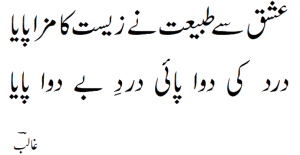
Through passion, my disposition discovered the flavors of life
I found pain with remedies and sufferings with none.
Ghalib (translation by the editor)


I work at a public hospital in Pakistan that provides all medical services, including organ transplantation, free of charge, made possible through government funding and private donations. The hospital serves a large number of underprivileged individuals from all across the country.  Limited resources of most families adds to the responsibilities of the liver transplant team. These include carefully weighing the benefits of transplanting the patient, and potential risks to the donor along with the repercussions for large, interdependent families.

Transplant surgeons and coordinators must often delve deep into personal matters of the donor and recipient and their family leading to long-term relationships that begin well before the actual transplant takes place. We inquire about the size of their homes and living arrangements, the number of family members, income levels of breadwinners, quality of their water supply, and access to sufficient food. We understand that our technological success is dependent at least as much on their socioeconomic milieu as it is on the biological fitness of donor and recipient. Patients often draw us into their lives, akin to “elders” of the family, for matters extending beyond their physical maladies. And some of these stories remain indelible in my mind.

For young Talha, our hospital became a refuge from a broken family. A year after his mother generously donated her liver for his transplant, his parents divorced amid a bitter dispute. His mother remarried and moved away. His father, who had custody, had to leave for long trips for his job as a truck driver. Talha mostly lived with his Chacha’s (paternal uncle) family, facing hardships from his uncle’s wife, who treated him like a servant. Whenever he felt overwhelmed, he would come to the hospital, as he knew we would admit him for a “workup” for his symptoms. This way he could stay in the hospital until his father returned and took him home.

After his father died in a tragic truck accident, Talha’s visits grew infrequent, until one day, gravely ill, he was brought once more to the hospital. He was severely dehydrated and in shock, reportedly suffering from diarrhea for a few days. We suspected he had been ill much longer. Despite our efforts, we were unable to save Talha. The technological success of the complex medical process was eclipsed by the social vagaries that had befallen this troubled young man.

Sana, a young teenager pleaded to us, “Doctor sahib, can you please tell my father to pay attention to us too, not just his new wife.”  She had received a liver transplant from her older brother a couple of years ago. She expressed frustration that her father, who had separated from her mother and remarried a younger woman, had neglected her and their household needs. We were surprised since we had known him to be a caring and involved father. This request left us a little overwhelmed due to the weight of expectations placed on us.  My colleague and I nodded as we left the clinic’s cubicle. We made attempts to contact the father but received no response. Her request however seemed natural to us. After all we had allowed the family to make us a part of their lives over the years.

These stories of real people in the real world are glimpses into our everyday experiences as transplant surgeons. For me, the couplet by Ghalib, the most celebrated Urdu poet of all times, offers a reflection of our pursuit in alleviating the suffering of our patients and their families. We don’t always succeed, but the essence is in the effort. That makes it worth it, every time.

*Professor, Department of Surgery, SIUT, PGD Class of 2023, CBEC-SIUT, Karachi, Pakistan

Cultural Influences

Dr. Atif Waqar teaching a session on challenges of Palliative Care in Pakistan during the May Clinical Ethics Module, using examples from his practice.

Cultural Influences on Palliative Care Practice in Pakistan: A Reflection

Muhammad Atif Waqar*

As a palliative care physician practicing in Pakistan, my journey has been an intricate dance between the principles of palliative medicine and the cultural fabric of our society. Providing end-of-life care in a family-centered, religious society such as Pakistan necessitates navigating unique challenges, ethical quandaries, and respecting indigenous cultural norms. In this reflection, I share my experiences and shed light on the ethical questions that often arise, emphasizing the importance of cultural sensitivity in palliative care practice and the provision of end-of-life care.

In Pakistan, the concept of family extends far beyond the nuclear unit, encompassing extended relatives and close friends. It is not uncommon for several generations to reside under one roof fostering a strong sense of communal responsibility towards the elderly and terminally ill.  Family ties are deeply ingrained in our social structure, and end-of-life care is predominantly centered within the family unit. Cultural norms dictate that immediate relatives assume the primary responsibility for caregiving, especially in the face of a terminal illness. Families actively participate in decision-making, often providing the primary source of emotional, physical, and spiritual support. However, this can present challenges for healthcare professionals, as differing opinions and conflicts within families can complicate the delivery of palliative care.

Religion plays an integral role in our society, and Islamic teachings greatly influence how end-of-life care is approached, both by healthcare providers as well as patients and their family members. Islamic teachings emphasize compassion, mercy, and the value of preserving life. Patients and family members often seek solace and guidance from religious and spiritual leaders during this challenging phase of their lives. Incorporating spiritual support into palliative care becomes essential, respecting individual and familial beliefs while fostering an environment of empathy and understanding.

A key ethical dilemma that one encounters is balancing the autonomy of the patient with the strong influence of family in decision-making. While Western bioethics emphasizes individual autonomy, in our society, familial consensus and collective autonomy of the familial unit often takes precedence. Striking a delicate balance between respecting patient wishes and honouring cultural values requires open communication, patient education, and family involvement in the decision-making processes.

Very often, cultural and religious beliefs impact the administration of necessary analgesia and pain relief especially at the end of life. In our society, there is a prevailing fear of addiction associated with opioid use, which can lead to reluctance in administering adequate pain relief. Misconceptions surrounding the use of opioids for pain management commonly leads to unnecessary suffering for patients. Overcoming this barrier is challenging and time-intensive; inordinate amounts of time is spent counseling and educating patients, families, and healthcare professionals about the importance of effective pain control and dispelling myths associated with opioids.

Disclosure of bad news, such as a terminal diagnosis, is another complex ethical issue influenced by cultural norms in Pakistan. We, as a society, tend to value hope and discourage frank discussions about prognosis. There is a prevalent belief that shielding patients from distressing news will preserve their hope and maintain their quality of life. This cultural norm raises ethical questions regarding the autonomy of the patient and the duty to provide accurate information. I have encountered situations where patients and families requested withholding the diagnosis entirely, preferring a “need-to-know” approach. In such cases, it is best to address these requests by acknowledging their cultural perspective, while gently advocating for a balanced approach that respects the patient’s autonomy and the need for informed decision-making. The real challenge lies in balancing honesty with compassion, taking into account the individual’s values, beliefs, cultural background and emotional well-being. Sensitivity and gradual disclosure, while involving the patient’s support network, helps to navigate this delicate situation.

Effectively addressing these ethical quandaries often requires a multifaceted approach. First and foremost, building trust and establishing a strong rapport with patients and their families is crucial. Engaging in active listening, normalization, validation of thoughts/feelings/emotions, cultural humility, and respecting diverse perspectives can foster open dialogue. Collaboration with spiritual and religious leaders as well as community influencers can also aid in dispelling misconceptions and bridging the gap between traditional beliefs and palliative care practices.

Furthermore, integrating cultural competence training within healthcare education is imperative. By equipping healthcare professionals with a nuanced understanding of cultural norms, beliefs, and values, we can foster a more inclusive approach to palliative care, ensuring that patients’ needs are met holistically.

*Assistant Professor, Aga Khan University, Karachi, Pakistan

The uses of ambiguity

Dr. Paul Komesaroff taking a session with PGD and MBE students during the Clinical Ethics Module of the 2018 academic session.

The uses of ambiguity in clinical communication

Paul Komesaroff*

Ambiguity in clinical communication carries both risks and benefits.1 It can cause anxiety and confusion or it can provide a source of expanded understanding and new ideas. While scientists usually seek certainty, clarity and the elimination of divergent shades of meaning, in clinical communication what is often required is the deliberate preservation of uncertainty, and in these cases ambiguity is the means by which this is generally achieved.

When, in the clinic, the diagnosis or likely outcome is unclear, when what happens next is, or we want it to remain, uncertain, we call on ambiguity. We use ambiguity when we want to keep open future possibilities, however remote. We make use of ambiguity when we try to understand someone who operates within a different system of beliefs or values. In these cases, we draw for new possibilities on the location and mobilisation of the gaps in language, of the spaces in which meaning is not fixed, in which words gesture toward things, ideas, emotions and experiences.2

We turn to ambiguity when we ourselves are struggling to understand, when we wish to give voice to novel or difficult ideas: for example, when we are engaging in complex discussions of an ethical or philosophical nature, such as when we are trying to discern the goals of treatment or to clarify an emotional response. In these cases, ambiguity is a rich resource, a powerful motor of meaning creation. By allowing us to move within the shadow world at the boundaries of sense it enables us to fashion ideas and thoughts that have never before been articulated. It is here a weapon for conquering new territory, for driving beyond the limits imposed by conventional experience to the silent territory just outside what has hitherto been said.

When I face someone whose choices do not completely make sense to me – for example, a man with a treatable condition who refuses treatment, a woman who continues to smoke despite life threatening lung disease, the son of a man about to die who demands to keep going, no matter what the cost – I seek a way to break through the curtain of unintelligibility. To achieve this, I need to suspend my own system, my own presuppositions and standards of truth and validity. I need to make contact on a different level, to listen in a different vein: I have to try to imagine what he or she is getting at. As the patient talks I try out images and possible meanings to see if they work. I construct in my mind a system of categories of functional principles or qualities instead of causal interactions between hard organs. The task is to find common ground, a place where we can share sense.

Somewhat like talking in poetry, I open myself to a suggestiveness and an allusiveness.3 In almost all cases, against the odds, despite the differences in background assumptions, philosophical dispositions and expressive styles, I am able to gain a sense of his or her experience and to piece together an understanding of the broader clinical context, and the uncertainties, fears and hopes that underlie it.

The ability to deploy ambiguity is part of the everyday competence of clinical medicine. In the complex settings that there arise many modalities of communication come into play, including the utilisation of the sources of ambiguity at the edge of propositional speech: those devices, rhetorical forms, figures and tropes generally eschewed by philosophers and scientists but embraced by poets and creative writers.4 There is in speech itself a peculiar relationship that is generated from inside it, not as part of a formal, logical deduction involving an interlocutor but with a singularity located outside the explicit subject of the exchange, a singularity that is not thematised by the speech is indirectly approached by it. Therefore, speech is not a solitary or impersonal exercise of a thought or a process of mediation among contested propositions: it is a shared adventure of creation and discovery.

Boundaries and limitations always remain. There is no exact or complete transmission of information unchanged between systems of meaning. However, there is in all communication a common making sense, a mutually enriching contact, an enhanced respect and understanding. The meaning that is produced, that actually emerges from the process of dialogue between discrepant discourses, is different from the pre-existing meanings embedded within each of them. This process is therefore not one of pure translation but of the actual generation of new meanings within the specific syntactical, semantic and pragmatic contexts of the distinct discursive unities.

The conversations that occur in the clinic involve careful listening and the careful fashioning of ideas, arguments and suggestions. Often the objective is not to achieve certainty but to avoid it. In this endeavour ambiguity is a powerful and fecund resource, at least when wielded with skill and care. It provides a way to resolve differences in sense, to maintain flexibility and openness in our expressions, to preserve hope and to construct new pathways forward. It is the means by which we enter into communication where the possibilities for doing so are most remote.

References:

  1. A fuller version of this article can be found in: Komesaroff PA. “Uses and misuses of ambiguity”. Internal Medicine Journal 2005; 35: 632–633
  2. Empson W. Seven Types of Ambiguity. UK: Pelican; 1965.
  3. Deleuze G. Clinical Essays. Minneapolis: University of Minnesota Press; 1997.
  4. Levinas E. Philosophical Essays. The Hague: Martinus-Nijhoff; 1990.
*Professor of Medicine, Monash University, Monash, Australia